
Leiopodus
Smith, 1854
Species Guides
1- Leiopodus singularis(Singular Turret-Cuckoo)
Leiopodus is a of cleptoparasitic bees in the Apidae, representing the sole genus of the tribe Protepeolini. The genus contains five described distributed in the Americas. These bees exhibit unusual larval , including extended of the first instar and delayed killing of larvae. The genus has been subject to limited study, with most detailed information coming from research on larval and .
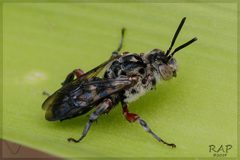
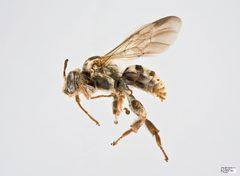
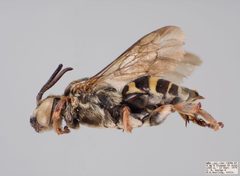
Pronunciation
How to pronounce Leiopodus: /ˌlaɪəˈpoʊdəs/
These audio files are automatically generated. While they are not always 100% accurate, they are a good starting point.
Images
Distribution
Americas (specific range details not documented in available sources)
Host Associations
- Diadasina sp. - L. trochantericus
Life Cycle
First instar larvae are quiescent for an extended period before killing the larva (late second or third instar). Mature larvae have been described but pupal and details are not documented.
Behavior
First instar larvae exhibit prolonged followed by aggressive killing of larvae at a later developmental stage (late second or third instar), rather than immediate host destruction.
Ecological Role
of other bees
Similar Taxa
- EpeoloidesLarval shares characters previously considered autapomorphies of Leiopodus; both are cleptoparasitic bees with unusual larval including delayed killing
More Details
Taxonomic notes
Protepeolini is a tribe containing only Leiopodus. The was established by Smith in 1854. Larval characters once thought unique to Leiopodus have been found in Epeoloides, suggesting closer relationship than previously recognized.
Species list
Five described : Leiopodus abnormis (Jörgensen, 1912), L. lacertinus Smith, 1854, L. nigripes Friese, 1908, L. singularis (Linsley & Michener, 1937), and L. trochantericus Ducke, 1907.