
Megandrena
Cockerell, 1927
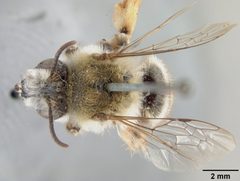
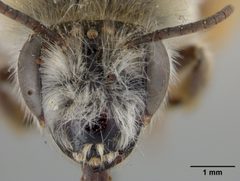
encelia megandrena
Species Guides
1- Megandrena enceliae(encelia megandrena)
Megandrena is a of mining bees in the Andrenidae. The genus was established by Cockerell in 1927. It contains at least two described : Megandrena enceliae and Megandrena mentzeliae. These bees are solitary ground-nesting bees characteristic of the Andrenidae family.

Pronunciation
How to pronounce Megandrena: /ˌmɛɡænˈdrɛnə/
These audio files are automatically generated. While they are not always 100% accurate, they are a good starting point.
Identification
Megandrena can be distinguished from other Andrenidae by their large size relative to other andrenid bees, as suggested by the name (Mega- meaning large). Specific identification features for the genus are not well documented in available sources. The two described species, M. enceliae and M. mentzeliae, would require examination of morphological details for species-level identification.
Images
Distribution
North America. Megandrena enceliae and M. mentzeliae are found in arid and semi-arid regions of western North America, with M. enceliae associated with desert environments where its plant Encelia grows.
Host Associations
- Encelia - Megandrena enceliae is associated with and likely oligolectic on Encelia (brittlebush), a of flowering plants in the sunflower native to the southwestern United States and Mexico.
- Mentzelia - Megandrena mentzeliae is named after and presumably associated with Mentzelia (blazingstars or stickleafs), a of flowering plants in the Loasaceae.
Life Cycle
As members of Andrenidae, Megandrena have a solitary typical of mining bees: females excavate underground nests in soil, provision with pollen and nectar, and lay . Larvae develop within the cells, pupate, and emerge as . Specific details for Megandrena are not documented.
Ecological Role
As of Encelia and Mentzelia, Megandrena likely play a role in the of these desert plant . Their specialized associations suggest they may be important for maintaining plant in arid .
Similar Taxa
- AndrenaAndrena is the largest in Andrenidae and shares the general mining bee and . Megandrena is distinguished by larger body size and more specialized plant associations.
- PanurginusAnother of small mining bees in Andrenidae. Megandrena are larger and have different plant preferences.
More Details
Nomenclature
The name Megandrena combines Greek 'mega' (large) with 'Andrena', the type genus of the , referring to the relatively large size of these bees compared to typical Andrena .
Species associations
Both described have specific epithets derived from their associated plant : enceliae from Encelia and mentzeliae from Mentzelia, indicating likely oligolectic (specialized) pollen-foraging .