
Pachypappa
Koch, 1856
Species Guides
2- Pachypappa pseudobyrsa
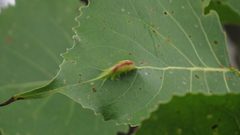
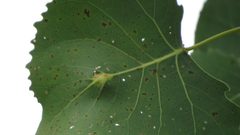
- Pachypappa sacculi(Aspen leaf-pocket aphid)
Pronunciation
How to pronounce Pachypappa: /ˌpækɪˈpæpə/
These audio files are automatically generated. While they are not always 100% accurate, they are a good starting point.
Identification
Members of this can be distinguished from other Pemphiginae by their association with poplar trees (Populus spp.) as primary . The genus name refers to the thick, pouch-like cornicles or abdominal structures characteristic of these aphids. Distinguishing Pachypappa from the related genus Cornaphis requires examination of specific morphological features including the structure of the siphunculi and cauda; however, taxonomic boundaries between these genera remain unresolved.
Images
Habitat
Associated with poplar (Populus) as primary . Secondary hosts may include roots of various herbaceous plants, though specific host relationships for most species remain poorly documented.
Distribution
Europe and North America. Confirmed occurrence records from Denmark, Norway, and Sweden. The type Pachypappa marsupialis was described from Europe.
Diet
Phloem-feeding on plants. Primary hosts are poplar trees (Populus spp.).
Host Associations
- Populus - primary plant for Pachypappa marsupialis and likely other in the
Life Cycle
As with other Pemphiginae, likely involves alternation between poplar primary hosts and secondary hosts, with occurring on poplar in autumn and parthenogenetic during summer. Specific details for Pachypappa are not well documented.
Ecological Role
As phloem-feeders, these aphids may influence nutrient cycling in poplar . They likely serve as prey for various and , though specific ecological studies are lacking.
Similar Taxa
- CornaphisTaxonomic relationship disputed; some sources treat Pachypappa as a synonym of Cornaphis. Both are in the tribe Pemphigini and share poplar associations.
More Details
Taxonomic Status
The status of Pachypappa is contested. Catalogue of Life lists it as a synonym of Cornaphis, while GBIF and other sources maintain it as a valid genus. This uncertainty reflects ongoing taxonomic revision within the Pemphigini.