
Pseudopachybrachius vinctus
(Say, 1832)
Oblique-banded Seed Bug
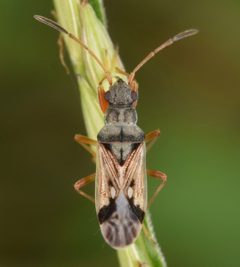
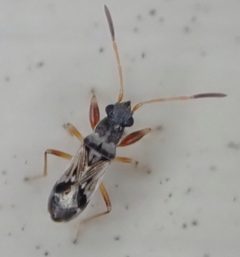
Pseudopachybrachius vinctus, commonly known as the Oblique-banded , is a of dirt-colored seed bug in the Rhyparochromidae. It has a broad geographic distribution spanning the Caribbean, Central America, North America, Oceania, and South America. The species was first described by Thomas Say in 1832 and is well-documented through over 1,200 iNaturalist observations.
Pronunciation
How to pronounce Pseudopachybrachius vinctus: //ˌsuːdoʊˌpækɪˈbreɪkiəs ˈvɪŋktəs//
These audio files are automatically generated. While they are not always 100% accurate, they are a good starting point.
Identification
Distinguished from and similar rhyparochromid seed bugs by the presence of an oblique transverse band across the body. The combination of this banding pattern with the dull, dirt-colored body separates it from more vividly marked lygaeoid . Examination of genitalia may be required for definitive identification from closely related Pseudopachybrachius .
Images
Habitat
Terrestrial associated with seed resources; specific microhabitat preferences are not well documented in available sources.
Distribution
Caribbean, Central America, North America, Oceania, and South America. The Oceania distribution likely represents human-mediated introduction.
Diet
Seed-feeding (lygaeoid specialization), though specific plants have not been documented in available sources.
Similar Taxa
- Other Pseudopachybrachius speciesSimilar body form and coloration; require examination of banding pattern details and genitalia for separation
- Other RhyparochromidaeShare dirt-colored appearance but differ in body proportions and pattern elements
More Details
Taxonomic history
Originally described by Thomas Say in 1832, making it one of the earlier described heteropteran from the Americas.
Observation frequency
With over 1,200 iNaturalist observations, this is among the more frequently documented in its , suggesting either genuine abundance or detection due to its distinctive banding pattern.