
Malezonotus
Barber, 1918
Species Guides
6- Malezonotus angustatus
- Malezonotus cf-grossus
- Malezonotus fuscosus
- Malezonotus obrieni
- Malezonotus rufipes(dirt-colored seed bug)
- Malezonotus sodalicius(dirt-colored seed bug)
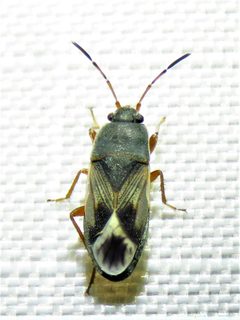
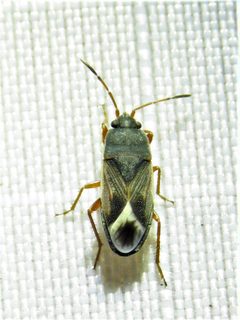
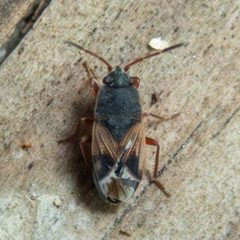
Malezonotus is a of dirt-colored seed bugs in the Rhyparochromidae, containing nine described . These true bugs are small, ground-dwelling insects primarily found in North America. The genus was established by Barber in 1918 and is classified within the tribe Gonianotini.
Pronunciation
How to pronounce Malezonotus: /ˈmalezoʊˌnoʊtəs/
These audio files are automatically generated. While they are not always 100% accurate, they are a good starting point.
Identification
Malezonotus are small, dirt-colored seed bugs with a compact body form typical of the Rhyparochromidae . Species-level identification requires examination of genitalic structures and other fine morphological details. The can be distinguished from related Gonianotini genera by specific combinations of antennal and pronotal characteristics, though precise diagnostic features require taxonomic keys.
Images
Distribution
The has been recorded in North America, with distributions ranging across the United States and into Mexico. Specific range data varies by species; for example, Malezonotus rufipes and Malezonotus sodalicius have broader distributions, while others such as Malezonotus mayorgae appear more restricted.
Similar Taxa
- GonianotusBoth belong to the tribe Gonianotini and share similar small, dirt-colored seed bug ; Malezonotus is distinguished by antennal segment proportions and male genitalic structure.
- RhyparochromusAnother in the same Rhyparochrominae with superficially similar appearance; Malezonotus generally have more slender body proportions and different hemelytral coloration patterns.
More Details
Species diversity
The contains nine described : M. angustatus, M. arcuatus, M. barberi, M. fuscosus, M. grossus, M. mayorgae, M. obrieni, M. rufipes, and M. sodalicius.
Taxonomic history
The was erected by Barber in 1918, with subsequent descriptions by Ashlock (1958, 1963), Van Duzee (1910, 1935), and Brailovsky & Cervantes (1989).