
Emblethis
Fieber, 1861
Species Guides
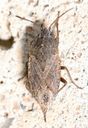
1- Emblethis vicarius(sand bug)
Emblethis is a of seed bugs in the Rhyparochromidae, established by Fieber in 1861. It comprises more than 30 described of dirt-colored seed bugs distributed across the Northern Hemisphere. Members of this genus are part of the diverse ground fauna associated with seed-feeding habits.
Pronunciation
How to pronounce Emblethis: //ɛmˈblɛθɪs//
These audio files are automatically generated. While they are not always 100% accurate, they are a good starting point.
Identification
Emblethis can be distinguished from other Rhyparochromidae by genitalic characters, particularly male paramere structure. The genus is placed in tribe Gonianotini, whose members generally share a somewhat elongate body form and reduced wing venation compared to other rhyparochromid groups. Species-level identification requires examination of genitalia and is not reliably achieved from external alone.
Images
Distribution
Recorded from Denmark, Norway, and Sweden based on distribution data. The has a broader Palearctic distribution with additional records from Europe and Asia; specific range limits for individual remain poorly documented.
Similar Taxa
- Other Gonianotini genera (e.g., Gonianotus, Peritrechus)Share tribe-level characteristics including body form and preferences; distinguished by male genitalic structure and detailed paramere
- Rhyparochrominae genera outside GonianotiniSimilar dirt-colored appearance and seed-feeding ; differ in wing venation patterns and genitalic characters
More Details
Taxonomic history
The was established by Franz Xaver Fieber in 1861 within the expanding classification of Lygaeoid . The tribe Gonianotini, to which Emblethis belongs, has undergone repeated revision based on cladistic analyses of genitalic and wing characters.
Species diversity
With more than 30 described , Emblethis represents a moderately diverse within Rhyparochromidae. Species are primarily distinguished by subtle differences in male genitalia, contributing to identification challenges.