
Micronectidae
Jaczewski, 1924
Pygmy Water Boatmen
Genus Guides
2- Micronecta(pygmy waterboatman)
- Synaptonecta
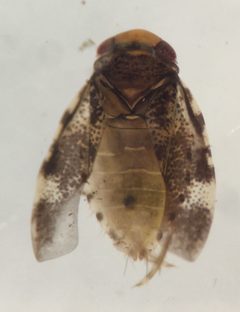
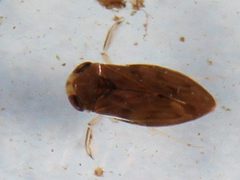
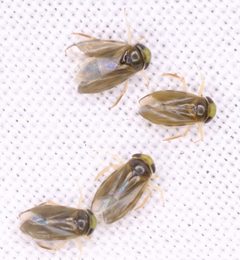
Micronectidae is a of small aquatic true bugs commonly called pygmy water boatmen. The family was elevated from status under Corixidae to family rank by Nieser in 2002, a position supported by morphological studies of antennal . The family contains two subfamilies: Micronectinae with six and Synaptogobiinae with one genus. Members are distributed across Australasia, Oceania, South America, and other regions, with significant diversity in Australia and New Guinea.
Pronunciation
How to pronounce Micronectidae: //ˌmaɪkroʊˈnɛktɪˌdiː//
These audio files are automatically generated. While they are not always 100% accurate, they are a good starting point.
Identification
Micronectidae can be distinguished from the closely related Corixidae (water boatmen) by differences in antennal structure: Micronectidae lack sensilla coeloconica on the third antennomere and show differences in sensilla presence on the first and second antennomeres. Members are generally smaller than typical Corixidae, earning the 'pygmy water boatmen.' Detailed identification requires examination of male genitalia structures.
Images
Habitat
Aquatic environments including water , lakes, ponds, and other freshwater bodies. occupy various microhabitats within water bodies, with some attached to aquatic vegetation, others swimming in open water, and some associated with benthic substrates.
Distribution
Australasia (Australia, New Guinea, New Zealand region), Oceania (Fiji, Solomon Islands), South America (Chaco biogeographic province including Bolivia, Argentina, Brazil, Paraguay, Uruguay), and other regions. In Australia, documented from Western Australia, South Australia, Queensland, New South Wales, Northern Territory, and Tasmania.
Diet
Feeding habits vary among : organic scraping and detritivory is common; some species are ambush attached to water plants, others are pelagic predators actively swimming for hyponeuston and free-swimming prey, and some are benthic omnivores collecting food from bottom substrates while attached.
Behavior
Three distinct feeding patterns have been observed: ambush (remaining attached to water plants), pelagic predation (active swimming to capture prey), and benthic omnivory (collecting food from bottom substrates while attached). to new water bodies has been documented.
Similar Taxa
More Details
Taxonomic History
Originally described as a Micronectinae within Corixidae, the group was elevated to status by Nieser in 2002 based on morphological evidence. This systematic position has been supported by subsequent comparative studies of antennal .
Subfamilies and Genera
Micronectinae contains six : Austronecta, Micronecta, Monogobia, Papuanecta, Synaptonecta, and Tenagobia. Synaptogobiinae contains one genus: Synaptogobia.
Sources and further reading
- BugGuide
- Wikipedia
- GBIF taxonomy match
- iNaturalist taxon
- NCBI Taxonomy
- Catalogue of Life
- Comparative Study of Antennal Sensilla of Corixidae and Micronectidae (Hemiptera: Heteroptera: Nepomorpha: Corixoidea)
- Distributional Patterns of Chacoan Water Bugs (Heteroptera: Belostomatidae, Corixidae, Micronectidae and Gerridae)
- Taxonomic revision and systematics of continental Australian pygmy water boatmen (Hemiptera: Heteroptera: Corixoidea: Micronectidae)
- Taxonomic revision and systematics of New Guinea and Oceania pygmy water boatmen (Hemiptera: Heteroptera: Corixoidea: Micronectidae)