
Narvesus
Stål, 1859
Species Guides
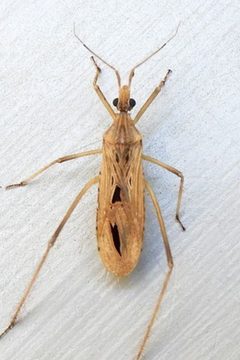
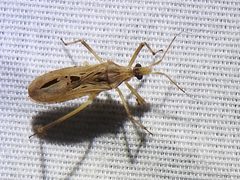
1Narvesus is a Neotropical of assassin bugs (Reduviidae: Stenopodainae) established by Stål in 1859. The genus contains two described : Narvesus carolinensis and Narvesus minor. These predatory true bugs are characterized by morphological features typical of the Stenopodainae, including forelegs adapted for capturing prey. The genus has been subject to taxonomic revision with updated descriptions, illustrations, and male genitalia data.
Pronunciation
How to pronounce Narvesus: //nɑːrˈveɪsəs//
These audio files are automatically generated. While they are not always 100% accurate, they are a good starting point.
Identification
Members of Narvesus can be distinguished from related by features of the male genitalia and overall body . The genus has been compared taxonomically with Diaditus Stål, another stenopodaine genus. Specific diagnostic characters include structural details of the male genitalia as documented in revisionary work. -level identification relies on morphological differences between N. carolinensis and N. minor as described by Stål (1859) and Barber (1930) respectively.
Images
Distribution
Neotropical region. Argentina represents a new distributional record for the . The full geographic range of both extends beyond this single record, though precise boundaries require further documentation.
Similar Taxa
- DiaditusTaxonomically compared with Narvesus in revisionary work; both are Neotropical stenopodaine requiring differentiation based on morphological and genitalic characters.
More Details
Taxonomic History
The was established by Carl Stål in 1859 with Narvesus carolinensis as the type . The second species, N. minor, was described by Barber in 1930. A comprehensive revision published in Zootaxa in 2014 provided redescriptions, illustrations, and new distributional data for both species.