
Macrocephalus
Olivier, A.G., 1789
Species Guides
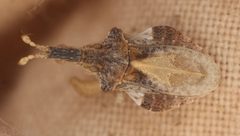
2Macrocephalus is a of ambush bugs first described by Olivier in 1789. The genus name refers to the enlarged characteristic of these insects. in this genus are predatory true bugs that capture prey by ambush. Taxonomic placement has varied, with the genus historically assigned to Reduviidae but currently recognized in Phymatidae.
Pronunciation
How to pronounce Macrocephalus: /ˌmækroʊˈsɛfələs/
These audio files are automatically generated. While they are not always 100% accurate, they are a good starting point.
Identification
Macrocephalus possess a notably enlarged, rounded relative to body size, which gives the its name. The forelegs are modified for grasping prey, with thickened bearing spines. Body form is generally compact and somewhat flattened. These traits distinguish them from other phymatid genera, though species-level identification requires examination of genitalia and other fine morphological details.
Images
Behavior
As ambush , Macrocephalus wait motionless on vegetation to capture passing prey. The enlarged houses powerful musculature for the forelegs, enabling rapid prey seizure.
Similar Taxa
- PhymataAlso ambush bugs with forelegs, but Phymata generally have more angular body outlines and different proportions
- ReduviidaeHistorically confused with this ; true reduviids (assassin bugs) lack the extreme enlargement and have different wing venation
Misconceptions
The has been variously placed in Reduviidae or Phymatidae in different taxonomic treatments. Current sources (NCBI) place it in Phymatidae, while some references (Wikipedia, iNaturalist) still cite Reduviidae. The name Macrocephalus has also been used for unrelated , including a weevil genus (Anthribidae) and as a specific epithet in Physeter macrocephalus (sperm whale).