
Cantacaderinae
Genus Guides
1Cantacaderinae is a of lace bugs within the Tingidae, comprising approximately 16 and at least 90 described . Members of this subfamily are small, flattened true bugs characterized by the intricate, reticulated patterns on their pronotum and forewings that give lace bugs their . The subfamily is distinguished from the other major tingid subfamily, Tinginae, by specific morphological features of the pronotum and wing structure. Cantacaderinae species are found across various regions globally, though detailed biological information for many species remains limited.
Pronunciation
How to pronounce Cantacaderinae: /ˌkæntəˈkædəriˌniː/
These audio files are automatically generated. While they are not always 100% accurate, they are a good starting point.
Identification
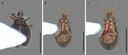
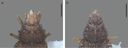
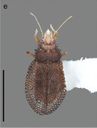
Cantacaderinae can be distinguished from Tinginae by pronotal : Cantacaderinae possess a pronotum with the areolate (net-like) portion expanded posteriorly, often covering the scutellum and extending over the base of the . The hood of the pronotum is usually less developed compared to Tinginae. The forewings (hemelytra) have a more reduced membranous portion. These features contrast with Tinginae, where the pronotal hood is more pronounced and the areolate portion is less expanded posteriorly. Identification to or level requires examination of specific wing venation patterns, pronotal carinae, and body proportions.
Images
Distribution
Cantacaderinae has a global distribution with representatives in tropical and subtropical regions, as well as some temperate areas. The occurs across multiple continents including the Americas, Africa, Asia, and Australia. Specific distribution patterns vary by , with some genera showing restricted regional while others are more widespread.
Similar Taxa
- TinginaeTinginae is the other major of Tingidae and is most commonly confused with Cantacaderinae. Tinginae typically have a more developed pronotal hood and less posteriorly expanded areolate pronotal regions. Tinginae also tend to have proportionally larger membranous portions of the . These morphological differences in pronotal structure and wing proportions are the primary distinguishing characters.
More Details
Taxonomic Note
The classification of within Cantacaderinae has been subject to revision, with some authorities recognizing tribal subdivisions. The was historically less studied than Tinginae, leading to ongoing taxonomic refinement. The approximately 16 genera currently recognized include both well-known and those with limited representation.
Research Status
Biological and ecological data for Cantacaderinae lag behind those available for Tinginae. Most are known from few specimens, and plant associations, , and details remain undocumented for the majority of described .