
Phylus
Hahn, 1831
Species Guides
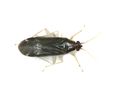
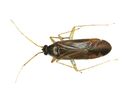
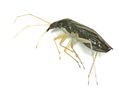
1- Phylus coryli(hazel plant bug)
Pronunciation
How to pronounce Phylus: /ˈfɪləs/
These audio files are automatically generated. While they are not always 100% accurate, they are a good starting point.
Identification
Members of Phylus belong to the Phylinae, characterized by the Phylinae-type male genitalia with a distinct vesical structure. within the can be distinguished by features of the male genitalia, coloration patterns, and body proportions. Phylus coryli, the type species, has been historically confused with P. pallipes (now synonymized).
Images
Distribution
Europe and Japan. GBIF distribution records confirm presence in Denmark (DK), Norway (NO), and Sweden (SE).
Host Associations
- Corylus - feedingPhylus coryli, the type , is associated with hazel (Corylus)
Similar Taxa
- RestiophylusBoth belong to Phylinae and share the 'phylus' root in their names; however, Restiophylus is restricted to Australia and associated with Restionaceae, while Phylus occurs in Europe and Japan
More Details
Subgeneric classification
The is divided into two subgenera: Phylus (Hahn, 1831) containing P. coryli, P. limbatellus, P. melanocephalus, and P. nigriscapus; and Teratoscopus (Fieber, 1861) containing P. breviceps, P. coryloides, P. miyamotoi, and P. plagiatus.