
Derbinae
Spinola, 1839
Tribe Guides
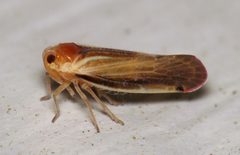
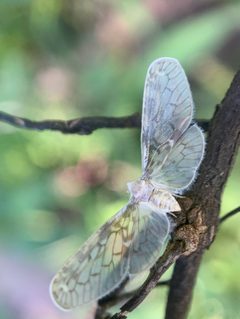
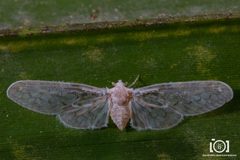
2Derbinae is a of derbid planthoppers ( Derbidae) in the order Hemiptera. It was established by Spinola in 1839 and contains approximately 49 . Members of this subfamily are distinguished from other derbids by wing venation and . They are part of the diverse planthopper fauna within the superfamily Fulgoroidea.
Pronunciation
How to pronounce Derbinae: /dɛrˈbiː.niː/
These audio files are automatically generated. While they are not always 100% accurate, they are a good starting point.
Identification
Derbinae can be distinguished from the other derbid , Otiocerinae, primarily by wing venation patterns and structure. Derbinae generally exhibit more reduced wing venation and different arrangements of the head processes. Specific identification to or requires examination of detailed morphological characters including the shape of the , the structure of the , and the pattern of wing venation.
Images
Distribution
Members of Derbinae are distributed across tropical and subtropical regions worldwide, with highest diversity in the Neotropics, Afrotropics, and Indo-Malayan regions. Records exist from Central and South America, Africa, southern Asia, and Australasia.
Similar Taxa
- OtiocerinaeThe other within Derbidae; distinguished by more elaborate wing venation and different
More Details
Taxonomic history
Derbinae was established by Maximilian Spinola in 1839, making it one of the older recognized groupings within the planthoppers. The has undergone significant revision as the Derbidae was reclassified from the 'fulgorid' group into its current family status.
Diversity
The contains approximately 49 recognized , though this number varies somewhat depending on taxonomic treatment. Many derbine genera are poorly studied and may be subject to future revision.