
Xantholobus
Van Duzee, 1908
Species Guides
12Xantholobus is a of treehoppers in the Membracidae, established by Van Duzee in 1908. The genus belongs to the tribe Smiliini within the Smiliinae and contains approximately 14 described . Like other treehoppers, members of this genus possess an enlarged and often elaborately modified pronotum that extends over the , a defining characteristic of the family Membracidae. Species in this genus are found in the Nearctic region, with records from the southwestern United States and Mexico.
Pronunciation
How to pronounce Xantholobus: /zænˈθoʊloʊbəs/
These audio files are automatically generated. While they are not always 100% accurate, they are a good starting point.
Identification
Xantholobus can be distinguished from other Smiliini by specific configurations of the pronotal projections and coloration patterns. The genus is placed in the tribe Smiliini based on pronotal structure and genitalic characters. Identification to species level requires examination of pronotal , particularly the shape and extent of the pronotal lobes, and male genitalia. The genus is most readily confused with other Nearctic Smiliini genera such as Cyrtolobus and Telamona, from which it differs in details of pronotal shape and the degree of development of the posterior pronotal processes. Accurate identification typically requires reference to original species descriptions and comparison with voucher specimens.
Images
Appearance
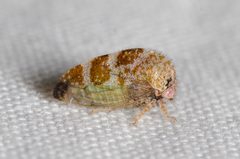
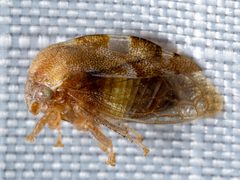
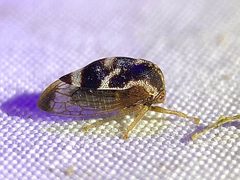
Members of Xantholobus exhibit the characteristic body plan with a greatly enlarged pronotum that extends posteriorly over the and often over the base of the wings. The name, derived from Greek roots meaning 'yellow lobe,' suggests yellow coloration on the pronotal projections. The pronotal modifications in Smiliini, to which Xantholobus belongs, tend to be less extreme than those seen in some other membracid tribes, often taking the form of rounded or angular lobes rather than elaborate spines or horns. The body is typically small to medium-sized for treehoppers, with the standard membracid wing venation and the enlarged hind characteristic of jumping insects in the superfamily Membracoidea.
Habitat
of Xantholobus are associated with woody vegetation. Based on records from the southwestern United States and Mexico, include arid and semi-arid scrublands, oak woodlands, and montane forests. The specific plant associations for most species remain undocumented, though related Smiliini are frequently associated with oaks (Quercus) and other hardwood trees.
Distribution
The Xantholobus is distributed in the Nearctic region, with records from the southwestern United States (Arizona, New Mexico, Texas, California) and Mexico. A single specimen record from Mexico (Oaxaca or similar southern region) has been documented in collection surveys. The full extent of the genus range likely spans the Mexican highlands and adjacent U.S. borderlands, though comprehensive distributional surveys are lacking.
Ecological Role
As phytophagous insects, Xantholobus function as herbivores on their plants, though specific ecological impacts have not been studied. Like many Smiliini, they may engage in mutualistic associations with ants, wherein ants tend the treehoppers for honeydew and provide protection from , though this has not been specifically documented for Xantholobus.
Human Relevance
No economic or agricultural significance has been documented for Xantholobus. The is of interest primarily to taxonomists and collectors specializing in Membracidae.
Similar Taxa
- CyrtolobusAnother Nearctic in tribe Smiliini with pronotal projections; differs in the more rounded or differently angled pronotal lobes and specific details of the margin
- TelamonaNearctic Smiliini with similar overall form; distinguished by pronotal shape and the structure of the pronotal processes, which tend to be more elevated or differently oriented in Telamona
- TelonacaRelated Smiliini found in similar geographic range; differs in pronotal and genitalic characters
More Details
Taxonomic history
The was established by Van Duzee in 1908, a prolific describer of North American Hemiptera. The type and full species inventory have been subject to revision as membracid has advanced.
Collection records
Specimens of Xantholobus are relatively uncommon in collections compared to more widespread Nearctic membracid . Records in major collections include material from the southwestern United States and Mexico, with identifications confirmed by including Chris Dietrich (Illinois Natural History Survey).