Empoasca kraemeri
Ross & Moore, 1957
bean leafhopper, potato leafhopper (Latin America)
Empoasca kraemeri is a in the , to the Americas and a significant agricultural pest of common bean (Phaseolus vulgaris) in Latin America. It is closely related to the North E. fabae, with which it shares similar feeding habits and damage . The species exhibits phloem-feeding that causes characteristic "" injury to plants, and shows differential preferences in bean . Peak occur approximately 42-49 days after host germination, with highest presence during pod filling to ripening stages.
Pronunciation
How to pronounce Empoasca kraemeri: /ɛmˈpəʊəskə ˈkreɪməri/
These audio files are automatically generated. While they are not always 100% accurate, they are a good starting point.
Identification
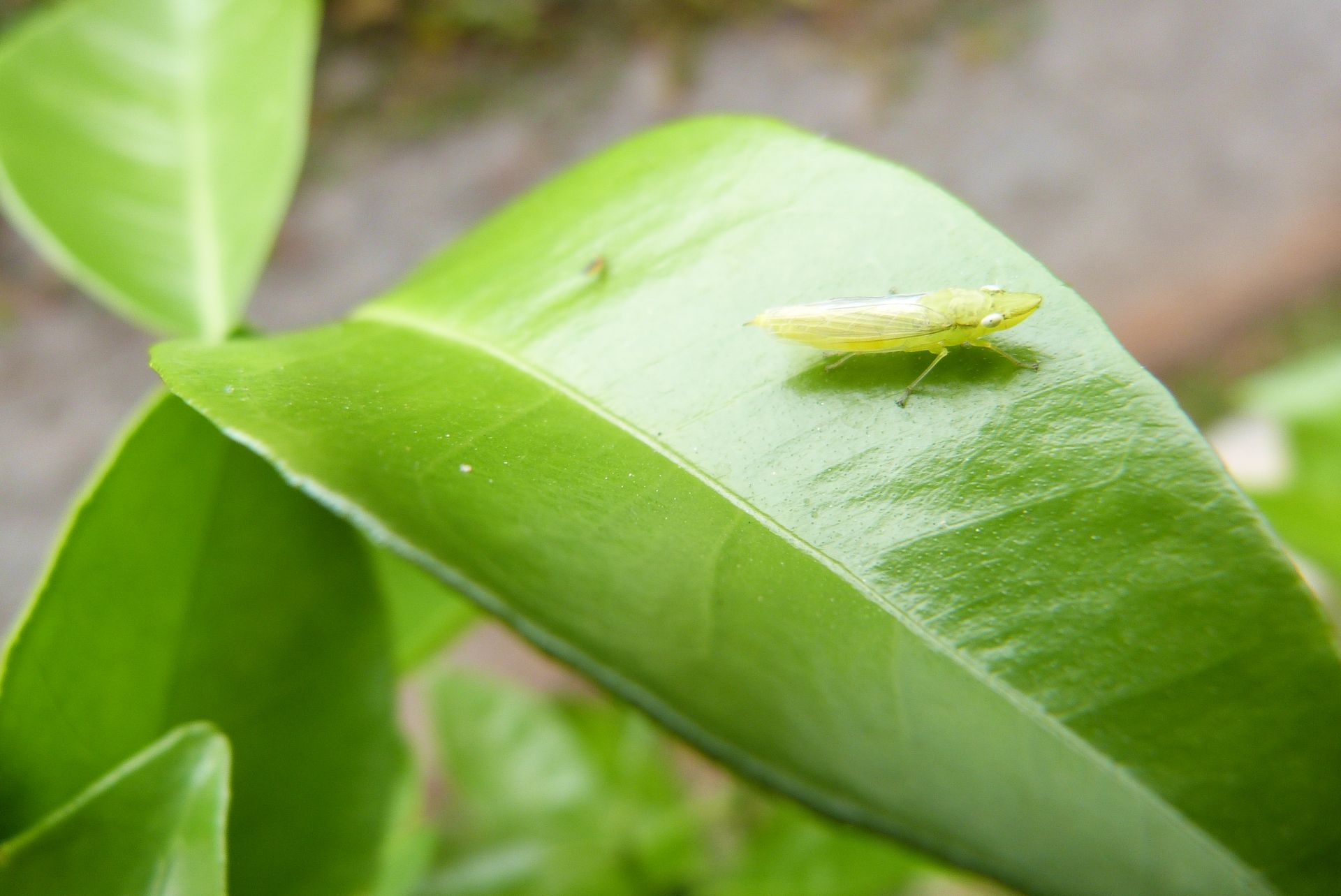
Empoasca kraemeri can be distinguished from the closely related by geographic distribution and associations, though morphological differentiation requires expert examination. are small, typically lime-green less than 5 mm in length. Identification to level often requires examination of male or molecular markers; the two species can be differentiated through probing patterns and cellular response differences on host plants.
Images
Habitat
Agricultural environments, specifically common bean (Phaseolus vulgaris) areas. The thrives in fields during warm growing seasons.
Distribution
to the Americas; recorded from Brazil (Espírito Santo, Minas Gerais), Peru (Loreto, Lima), and Florida (USA). Primary distribution centers in Latin America where common bean is cultivated.
Seasonality
Peak occur 42-49 days after germination. Greater presence observed during plant reproductive stages from pod filling through full ripening. Activity patterns correspond to warm growing seasons.
Diet
Phloem sap feeder; extracts fluids from vascular tissues using . Feeding injects salivary toxins that cause plant tissue damage.
Host Associations
- Phaseolus vulgaris - primary common bean; most important agricultural in Latin America
- Line #38 bean cultivar - preferred showed highest damage percentages in field studies, indicating strong preference
Life Cycle
Development includes , , and stages. Nymph peak at 42-49 days after germination. Specific details on egg laying, developmental duration, and biology not well documented in available sources.
Behavior
Exhibits probing on plants that differs between and susceptible bean . Shows cultivar preference with differential damage levels. Feeding behavior induces distinct cellular in host tissues.
Ecological Role
Agricultural pest causing direct damage to common bean through feeding injury. Subject of research including (Zoophthora radicans).
Human Relevance
Major economic pest of common bean in Latin America, causing yield losses through injury. Subject of breeding programs; QTL mapping has identified linked to resistance. strategies include and for early-season .
Similar Taxa
- Empoasca fabaeClosely related with similar , feeding habits, and damage ; differentiated by geographic distribution (E. fabae primarily North ) and subtle behavioral and physiological differences on plants
Sources and further reading
- BugGuide
- GBIF taxonomy match
- iNaturalist taxon
- Catalogue of Life
- Publications | Entomology Research Museum
- Empoasca-fabae - Entomology Today
- Potato Leafhoppers Arrive Sooner Due to Climate Change
- Leafhopper Brochosomes: Nanoparticles Inspiring Future Materials
- Quiz Yourself: 2020 Entomology Games Questions
- Open Access Article on Potato Leafhopper Ecology and Integrated Pest Management
- The Biology of Empoasca kraemeri on Phaseolus vulgaris
- Comportamiento del saltahojas del frijol (Empoasca kraemeri) en el municipio Manatí, Las Tunas, Cuba
- Quantitative trait loci for leafhopper (Empoasca fabae and Empoasca kraemeri) resistance and seed weight in the common bean
- Differences in Cellular Abnormalities Induced by the Probing Behaviors of Empoasca kraemeri (Homoptera: Cicadellidae) on Tolerant and Susceptible Common Beans
- Determination of traits associated with leafhopper (Empoasca fabae and Empoasca kraemeri) resistance and dissection of leafhopper damage symptoms in the common bean (Phaseolus vulgaris)
- Comparison of the Probing Behaviors of Empoasca fabae and E. kraemeri (Homoptera: Cicadellidae) on Resistant and Susceptible Cultivars of Common Beans
- Temperature-dependent germination and host penetration of the entomophthoralean fungus Zoophthora radicans on the leafhopper Empoasca kraemeri
- Characteristics of the common bean, Phaseolus vulgaris, associated with resistance to the leafhopper Empoasca kraemeri