
Neohecalus
Linnavuori, 1975
Species Guides
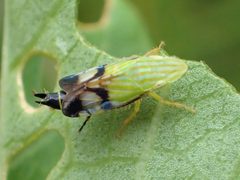
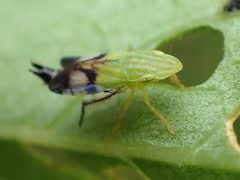
4Neohecalus is a of leafhoppers in the Cicadellidae, established by Linnavuori in 1975. It belongs to the tribe Hecalini within the Deltocephalinae. The genus is part of a group of grass-feeding leafhoppers commonly found in tropical and subtropical regions. As of current records, it contains relatively few described and remains poorly studied compared to related genera.
Pronunciation
How to pronounce Neohecalus: /ˌniːoʊˈhɛkələs/
These audio files are automatically generated. While they are not always 100% accurate, they are a good starting point.
Identification
Neohecalus can be distinguished from related Hecalini by genitalic characters, particularly features of the male and pygofer. in this genus generally exhibit the slender body form and enlarged hind typical of the tribe. Definitive identification requires examination of male genitalia under magnification.
Images
Habitat
in this are associated with grassland and savanna , particularly in tropical regions. They inhabit areas with abundant grasses, their presumed plants.
Distribution
Recorded from tropical regions including parts of Africa and Asia. Specific country records are limited due to sparse collecting and taxonomic study.
Host Associations
- Poaceae - suspected plantInferred from tribe-level association; not confirmed for Neohecalus specifically
Similar Taxa
More Details
Taxonomic note
The Neohecalus was erected to accommodate previously misplaced in Hecalus. It remains one of the less studied genera in the economically important leafhopper tribe Hecalini, which contains several of plant .