
Cicadettinae
Buckton, 1890
Largeclasper Cicadas
Tribe Guides
2- Cicadettini(True Largeclasper Cicadas)
- Lamotialnini(Widehead Cicadas)
Cicadettinae is a large of cicadas containing approximately 230 and 1,200 described . Members are distributed globally across diverse including eucalypt forests, grasslands, arid regions, and tropical woodlands. Male calling songs are species-specific and function in mate recognition; song structures vary from simple ticking or clicking to complex multi-element compositions. Many species are small to medium-sized and exhibit cryptic , often remaining inconspicuous in vegetation.
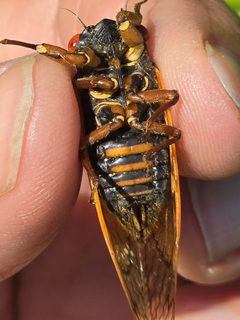
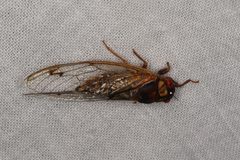
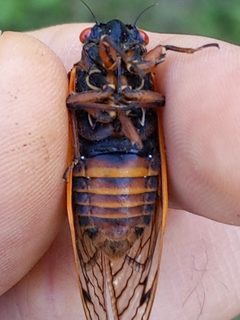
Pronunciation
How to pronounce Cicadettinae: //ˈsɪkəˌdɛtɪnaɪ//
These audio files are automatically generated. While they are not always 100% accurate, they are a good starting point.
Identification
Identification to level requires examination of male genitalia, specifically the structure of claspers and . Conjunctival claws on the aedeagus and reduced or absent uncus are characteristic features of some tribes within Cicadettinae. -level identification relies heavily on male calling song analysis and detailed morphological comparison. Many contain superficially similar species that are distinguished primarily by acoustic signals.
Images
Habitat
Diverse including eucalypt forests and woodlands, arid and semi-arid shrublands, grasslands, tropical and subtropical forests, and seasonal riverine floodplains. Some are associated with specific plants such as wattles (Acacia spp.) or eucalypts. Habitat specificity varies by and species, with some having restricted distributions and others spanning thousands of kilometers across inland Australia.
Distribution
Global distribution including Australia, Africa, southern Asia, the Americas, and the Caribbean. Australian representatives are particularly diverse and widespread across eastern, central, and western regions. African occur in South Africa, Eastern Cape, KwaZulu-Natal, and extend into other regions. Asian species documented from Pakistan and surrounding areas. Caribbean and Central/South American species assigned to tribe Lamotialnini.
Life Cycle
Nymphal stages are spent underground, feeding on xylem fluids from plant roots. emerge to mate and reproduce. have been described for some , indicating typical .
Behavior
Males produce -specific calling songs used for mate attraction and species recognition. Song production occurs variously while stationary, in , or both depending on species. Some species are highly mobile and wary, inhabiting low dense shrubland. Others are relatively sedentary. Many species remain inconspicuous in the or vegetation. Calling song structures include ticking, clicking, buzzing, and complex multi-element compositions.
Similar Taxa
- TibicininaeFormerly included the tribe Hemidictyini, which has been reassigned to Tibicininae based on morphological characters. Distinguished by genitalia structure and other features.
- CicadinaeOther of Cicadidae; Cicadettinae distinguished by specific male genitalia features including structure of claspers and .
More Details
Taxonomic complexity
Cicadettinae contains numerous recently described and , particularly from Australia. Genera such as Yoyetta, Simona, Chelapsalta, Graminitigrina, Ewartia, Gudanga, and Mugadina have been established or revised since 2012. Many species groups remain under active taxonomic study.
Acoustic diversity
The exhibits remarkable diversity in male calling songs, which serve as primary isolating mechanisms. Song types range from simple ticking and clicking to complex songs with multiple echemes per phrase. Statistical analyses of song parameters are frequently used to distinguish cryptic .
Sources and further reading
- BugGuide
- Wikipedia
- iNaturalist taxon
- NCBI Taxonomy
- Catalogue of Life
- Eight new species of Yoyetta Moulds (Hemiptera: Cicadidae: Cicadettinae) from eastern Australia
- A new genus and new species of Cicadettini (Hemiptera: Cicadidae: Cicadettinae) from Pakistan
- Five new species of Yoyetta Moulds (Hemiptera: Cicadidae: Cicadettinae) from south-eastern Australia
- A new genus and three new species of South African Cicadettini (Hemiptera: Cicadidae: Cicadettinae)
- Description of three new cicada species in the genus Yoyetta Moulds (Hemiptera: Cicadidae: Cicadettinae), from eastern Australia
- Description of four new cicada species in the genus Yoyetta Moulds (Hemiptera: Cicadidae: Cicadettinae), from Eastern Australia
- An impressive new species of mugadina from queensland with notes on a congeneric species (cicadidae: cicadettinae: cicadettini)
- Redescription, illustration and higher taxonomy of the Lesser Antilles cicada Chalumalna martinesis Boulard, 2001 (Hemiptera: Cicadidae: Cicadettinae)
- A revision of the Ewartia oldfieldi (Distant) species complex (Hemiptera: Cicadidae: Cicadettinae) with five new species from eastern and northern Australia
- New species of Simona Moulds, 2012 and Chelapsalta Moulds, 2012 cicadas (Cicadidae: Cicadettinae: Cicadettini) from Australia: comparative morphology, songs, behaviour and distributions
- Afromelampsalta, a new genus, a new species, and five new combinations of African cicadettine cicadas (Hemiptera: Cicadidae: Cicadettinae)
- Two new species of Xosopsaltria Kirkaldy, 1904, with a key to the species of South African pygmy bladder cicadas (Hemiptera: Cicadidae: Cicadettinae: Tettigomyiini)
- Five new species of grass cicadas in the genus Graminitigrina (Hemiptera: Cicadidae: Cicadettinae: Cicadettini) from Queensland and Northern Territory, Australia: comparative morphology, songs, behaviour and distributions
- Three new cicada species of the genus Gudanga Distant (Insecta: Cicadidae: Cicadettinae: Cicadettini) from Queensland; comparative morphology, songs, behaviour and distributions