Clastoptera xanthocephala
Germar, 1839
sunflower spittlebug
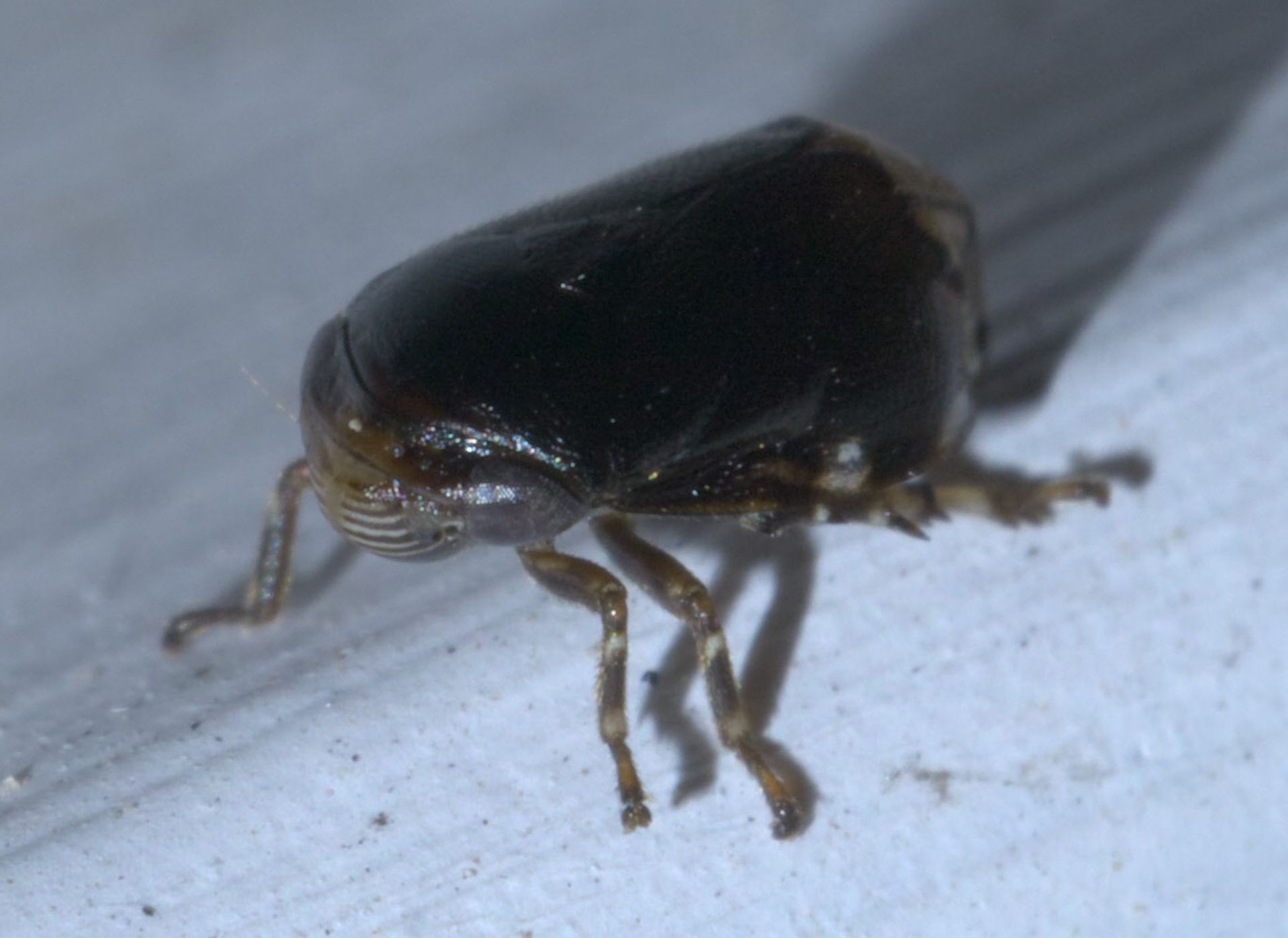
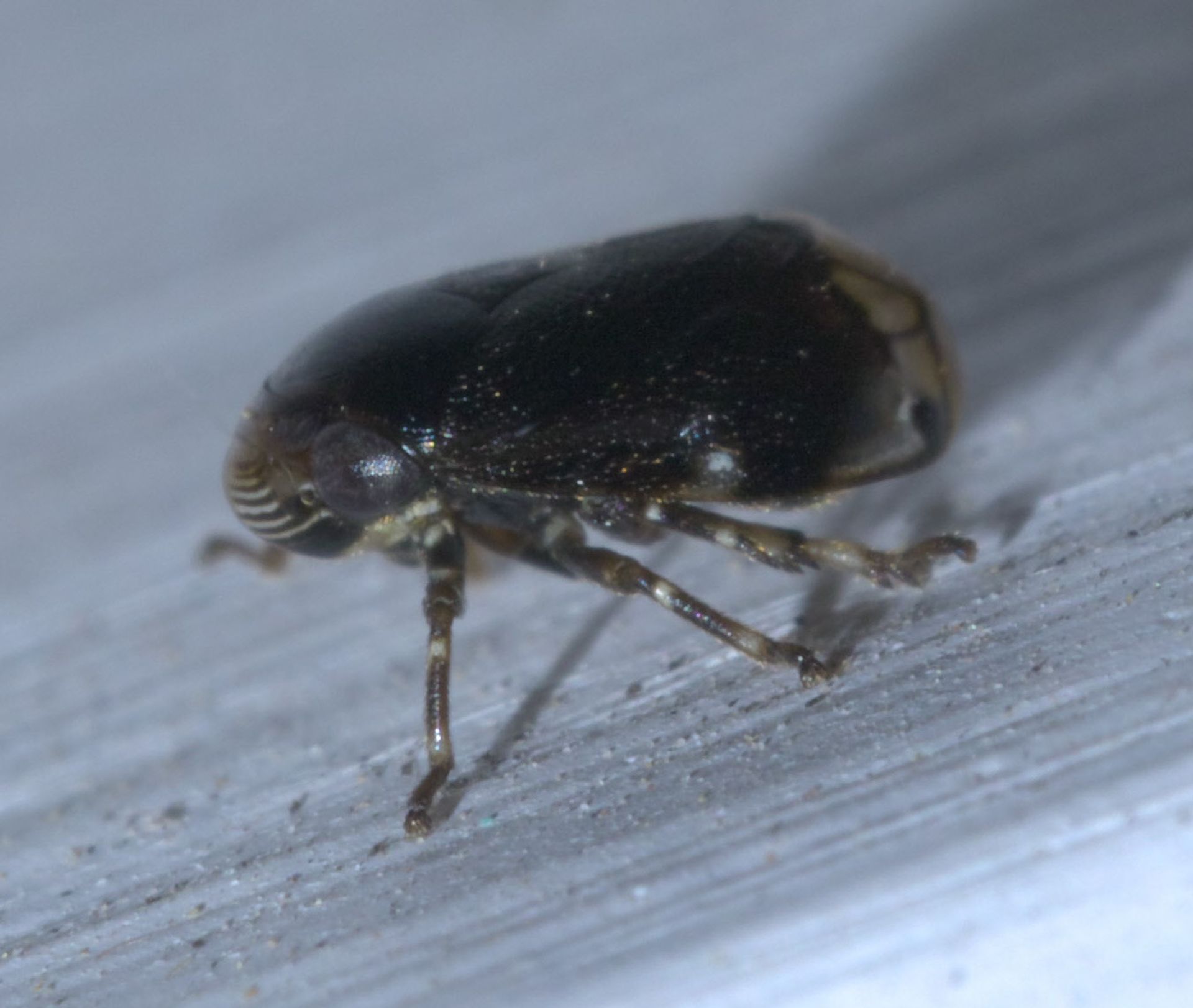
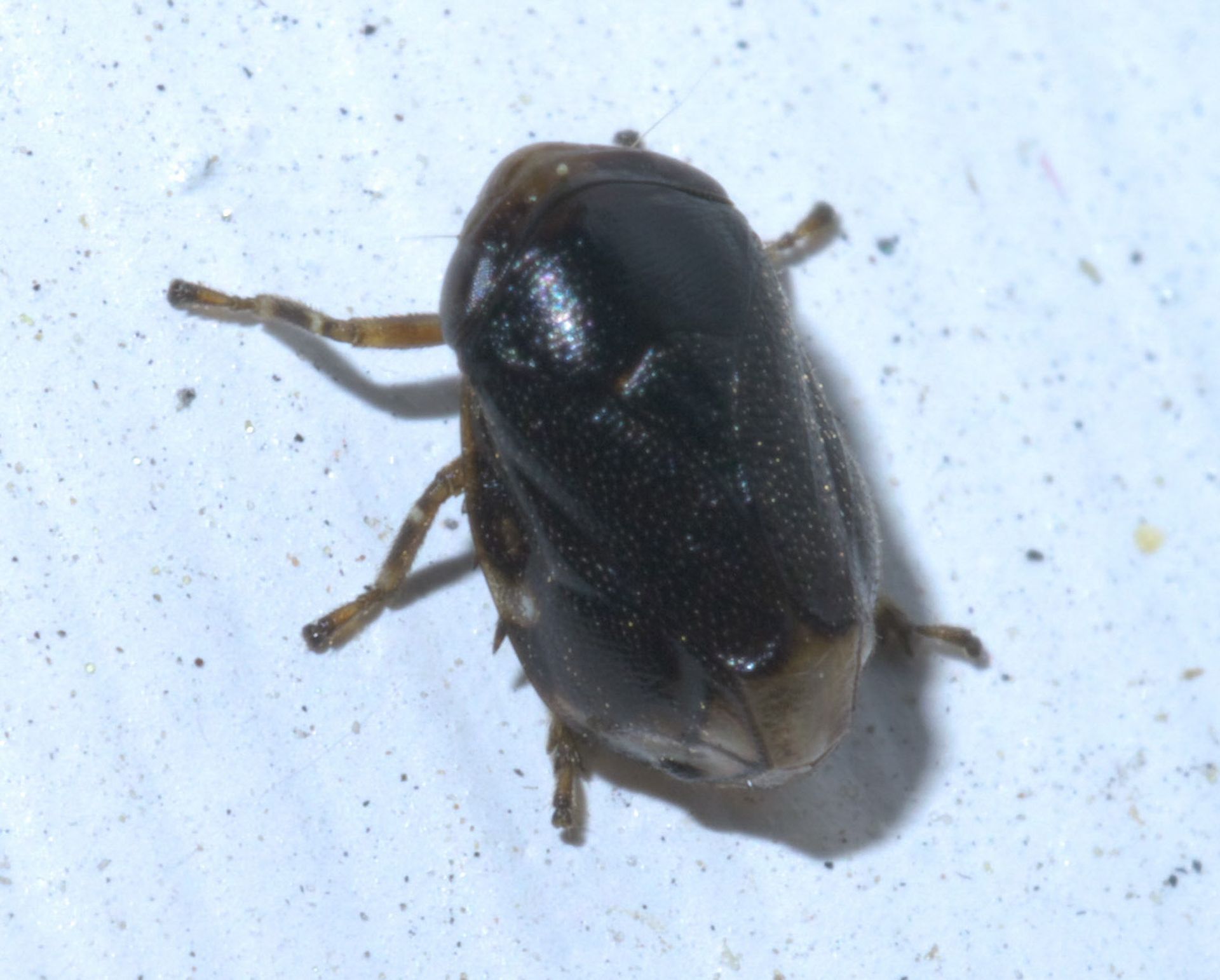
Clastoptera xanthocephala, commonly known as the sunflower spittlebug, is a of spittlebug in the Clastopteridae. The species was first described by Germar in 1839. It has been documented as prey for the Clitemnestra bipunctata, which paralyzes spittlebugs to provision its nest . The specific epithet xanthocephala refers to a yellow , suggesting a distinctive coloration feature.
Pronunciation
How to pronounce Clastoptera xanthocephala: /klæstɔˈptɛra zænθoʊˈsɛfəla/
These audio files are automatically generated. While they are not always 100% accurate, they are a good starting point.
Images
Distribution
Recorded from North America and Oceania. GBIF distribution records include: Alabama, Arizona, Arkansas, California, Colorado.
Ecological Role
Prey for predatory . Documented as one of several spittlebug species (including Clastoptera obtusus) paralyzed and stored as larval provisions by the crabronid wasp Clitemnestra bipunctata.
Similar Taxa
- Clastoptera obtususBoth are Clastoptera documented as prey for Clitemnestra bipunctata; may share similar and seasonal activity patterns
- Philaenus leucophthalmusAnother spittlebug found in the same nests, suggesting ecological overlap
- Philaenus lineatusThird spittlebug recorded as prey for the same , indicating potential similarity in vulnerability to
More Details
Predation by wasps
Clitemnestra bipunctata select hoppers much more often than nymphs. Each nest stores 6-18 paralyzed prey items. The wasp nests are burrows dug in bare soil near the top of vertical banks, 9-20 cm deep, with 1-3 branching cells measuring approximately 6 × 10 mm.
Etymology
The specific epithet 'xanthocephala' derives from Greek roots: xanthos (yellow) + kephale (), indicating yellow head coloration as a distinguishing feature.