
Gnophomyia tristissima
Osten Sacken, 1860
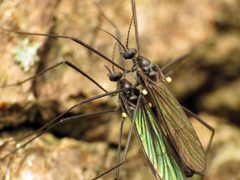
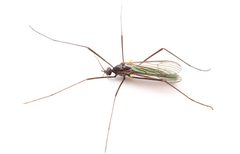
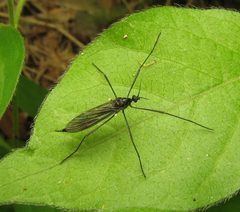
Gnophomyia tristissima is a of limoniid crane fly in the Limoniidae. It is characterized by an all-black body with distinctive yellow . The species has a broad distribution across North America and has been recorded from Italy, suggesting a possible transatlantic range or introduction event. It is among the more frequently observed crane flies in its range, with over 2,000 documented observations.
Pronunciation
How to pronounce Gnophomyia tristissima: //nəˈfoʊ.miə trɪˈsɪs.ɪ.mə//
These audio files are automatically generated. While they are not always 100% accurate, they are a good starting point.
Identification
The all-black body with yellow separates this from most other limoniid crane flies. Many and related species show patterned wings, banded , or more varied coloration. The dark, unpatterned body with contrasting yellow halteres provides a readily visible field mark. Examination of male terminalia or female ovipositor may be required for definitive identification in areas where similar dark species occur.
Images
Distribution
Nearctic region: Canada (Northwest Territories to Quebec) and USA (Maine south to Texas, Louisiana, and Florida). Also recorded from Italy (Piemonte region), representing either a natural West Palearctic distribution or an introduced .
Similar Taxa
- Other Gnophomyia speciesMany have patterned wings or lighter body coloration; G. tristissima is distinguished by its uniformly black body
- Other dark LimoniidaeYellow are unusual in all-black limoniids; most similar have halteres matching body color or pale wings
More Details
Taxonomic note
First described by Osten Sacken in 1860, this is one of the earlier-described in the Gnophomyia
Biogeographic anomaly
The Italian records represent a significant disjunction from the core Nearctic range; the status of this (native relict, introduction, or misidentification) warrants further investigation