
Erioptera caliptera
Say, 1823
Erioptera caliptera is a of limoniid crane fly first described by Thomas Say in 1823. It belongs to the Limoniidae, a group of delicate, long-legged flies commonly known as limoniid crane flies. The species is recognized as having three , with the nominate subspecies E. c. caliptera and two additional forms described by Charles Paul Alexander. Records indicate presence in the northeastern United States, particularly Vermont.
Pronunciation
How to pronounce Erioptera caliptera: /ˌɛr.iˈɒp.tə.rə kəˈlɪp.tə.rə/
These audio files are automatically generated. While they are not always 100% accurate, they are a good starting point.
Identification
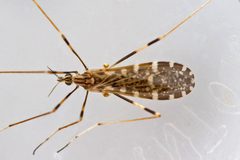
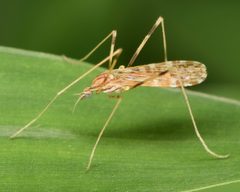
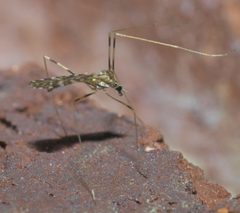
The three recognized —E. c. caliptera, E. c. femoranigra, and E. c. subevanescens—differ in subtle morphological features, particularly leg coloration. E. c. femoranigra is characterized by darkened , as indicated by its name. E. c. subevanescens shows reduced or faint wing markings compared to the nominate form. Accurate identification to subspecies level requires examination of and reference to Alexander's original descriptions (1913, 1940).
Images
Distribution
United States; documented from Vermont and other unspecified US locations based on GBIF distribution records. The full range within North America is not comprehensively documented in available sources.
More Details
Subspecies taxonomy
The comprises three : Erioptera caliptera caliptera (nominate form), Erioptera caliptera femoranigra Alexander, 1913, and Erioptera caliptera subevanescens Alexander, 1940. Both named subspecies were described by crane fly Charles Paul Alexander and are distinguished by minor morphological differences in leg pigmentation and wing pattern.
Taxonomic authority
The was originally described by American entomologist Thomas Say in 1823, making it one of the earlier described species in the Erioptera.