
Notogramma
Loew, 1868
Species Guides
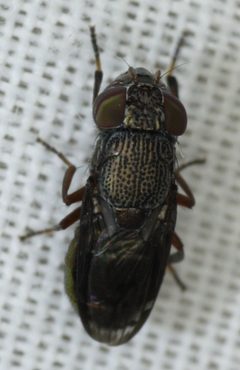
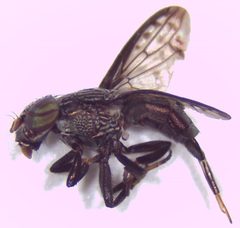
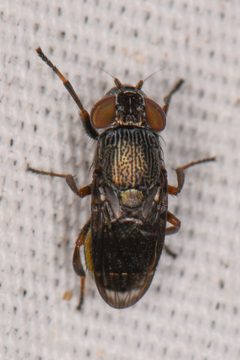
3Notogramma is a of picture-winged flies ( Ulidiidae) established by Loew in 1868. The genus contains at least five described distributed across multiple continents. Like other ulidiids, members of this genus are characterized by patterned wings with distinct dark markings. The genus has been documented in iNaturalist with over 260 observations, indicating moderate recognition among naturalists.
Pronunciation
How to pronounce Notogramma: /nɔtoʊˈɡræmə/
These audio files are automatically generated. While they are not always 100% accurate, they are a good starting point.
Identification
Members of Notogramma can be recognized as ulidiid flies by their characteristic wing patterns—dark bands or spots on a clear background. Within the , -level identification requires examination of specific morphological features such as structure, chaetotaxy (bristle arrangement), and male genitalia. The genus name refers to the patterned (gramma) wing markings. -level identification is challenging and typically requires expert examination of minute structural differences.
Images
Distribution
of Notogramma have been recorded from multiple regions including the Neotropics (Notogramma azapae, N. cactipeodes, N. cimiciforme/cimiciformis) and the Palearctic (N. purpuratum). The appears to have a wide but patchy distribution consistent with many ulidiid genera.
Similar Taxa
- Other Ulidiidae generaMany ulidiid share the characteristic patterned wings. Notogramma is distinguished by specific combinations of and thoracic characters, though these require detailed examination to differentiate from similar genera such as Ulidia or Chaetopsis.
More Details
Nomenclatural note
The authorship of this is sometimes cited as Loew, 1867 (GBIF) or Loew, 1868 (Catalogue of Life). The Notogramma cimiciforme and N. cimiciformis appear to represent the same with variant spellings, a common issue in historical dipteran literature.
Taxonomic stability
The has remained stable in placement since its description, consistently classified within Ulidiidae. However, -level may require revision given the limited recent taxonomic work on the genus.