Rhagoletis suavis
(Loew, 1862)
Walnut Husk Maggot, Walnut Husk Maggot Fly
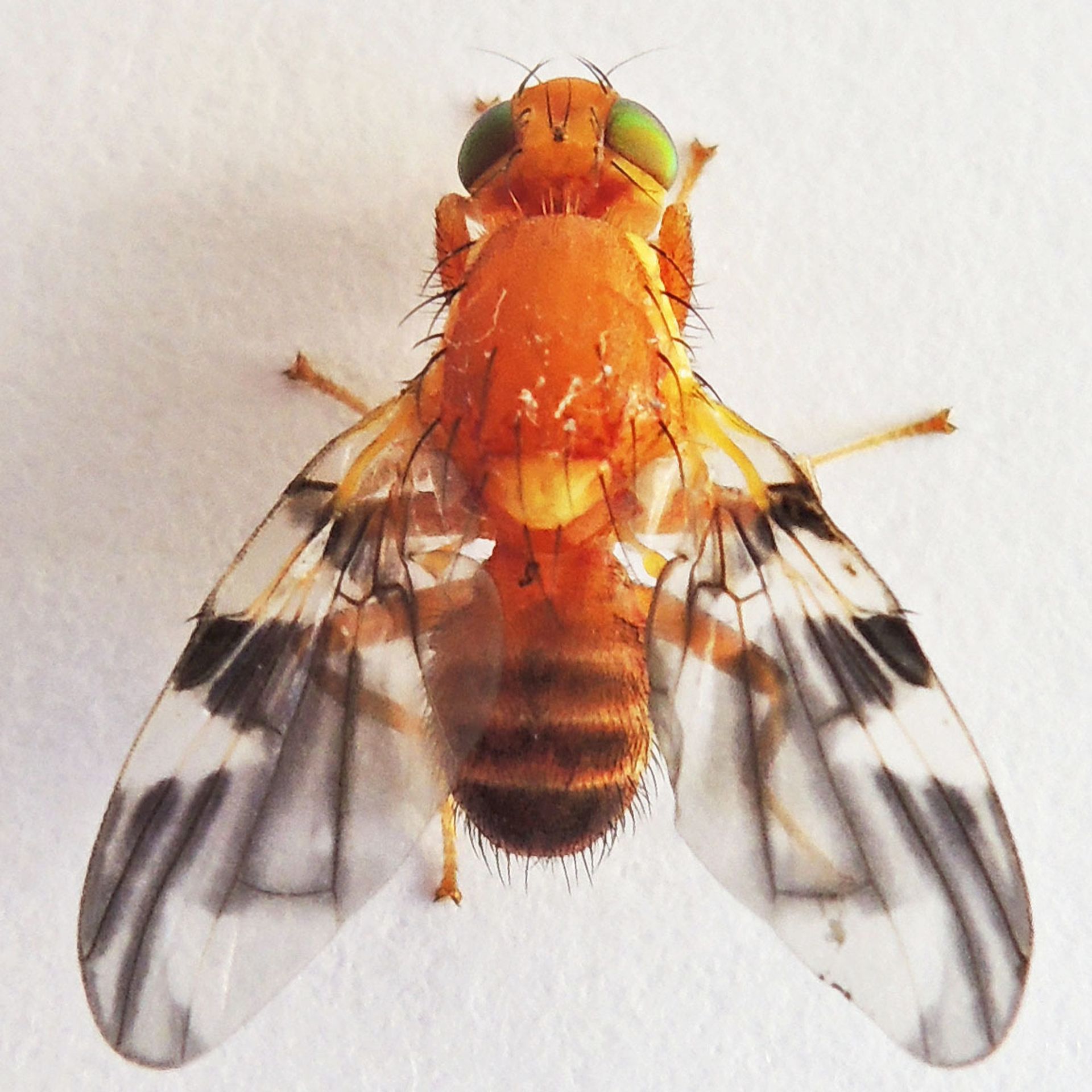
Rhagoletis suavis is a tephritid fruit fly whose larvae develop within and around walnut fruit husks. It is closely related to Rhagoletis juglandis, with which it shares plants and geographic range. The has been studied for its ability to tolerate juglone, the allelopathic compound in walnut tissue. It completes its stages in contact with decomposing husk material, which appears to improve survival through moisture retention and pH modification.
Pronunciation
How to pronounce Rhagoletis suavis: //ræˈɡoʊlətɪs ˈswɔːvɪs//
These audio files are automatically generated. While they are not always 100% accurate, they are a good starting point.
Identification
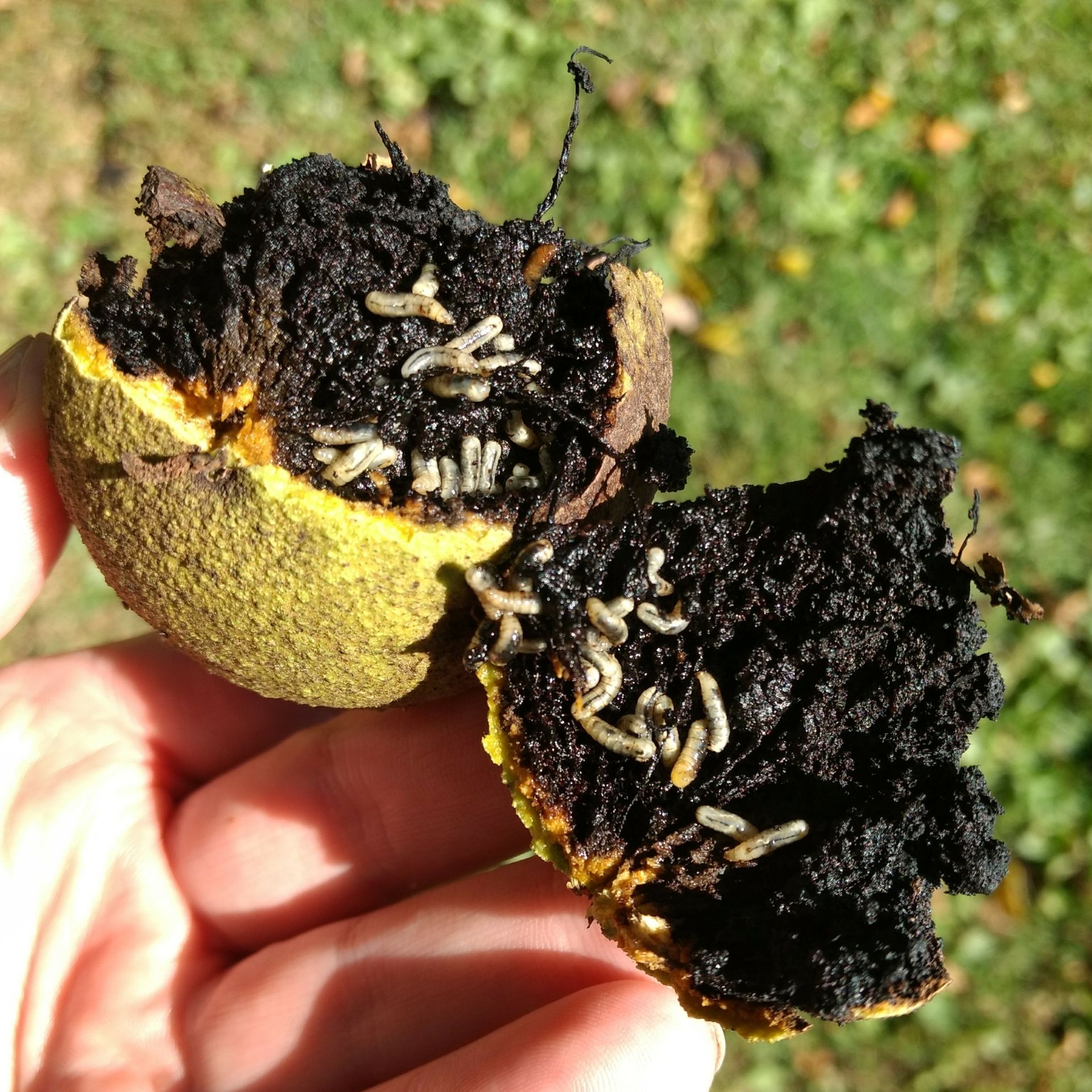
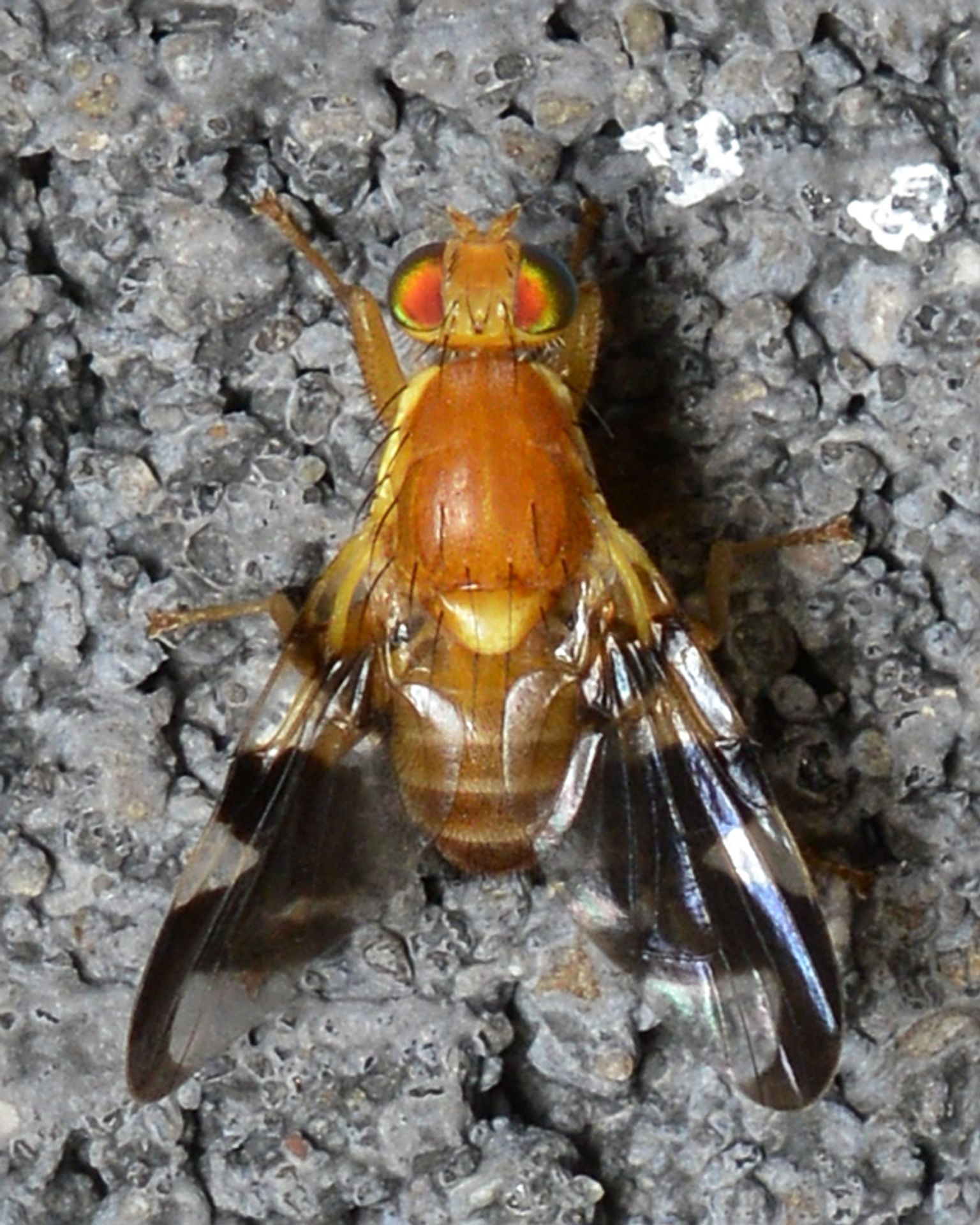
Distinguished from the sympatric Rhagoletis juglandis (walnut husk fly) by subtle morphological differences; accurate separation may require examination of genitalia or expert identification. are small tephritid flies with patterned wings typical of the . Larvae are maggots found within walnut husks rather than the nut itself.
Images
Habitat
Develops within and around the husks of walnut fruit (Juglans spp.). Larvae require substrate containing ground walnut husk material for optimal survival, which provides favorable moisture retention and reduced pH compared to non-husk substrates.
Distribution
North America; occurs in regions where walnut trees are present.
Diet
Larvae feed on decomposing walnut husk tissue. Specific feeding habits have not been documented.
Host Associations
- walnut - larval developmentSpecific Juglans not confirmed in available sources
Life Cycle
and larval stages occur within or adjacent to walnut fruit husks. Larvae pupate in soil or substrate, with pupae undergoing . occurs after winter. Survival is significantly higher when larvae are reared with ground walnut husk and water compared to control conditions.
Behavior
Larvae pupate in substrate containing husk material rather than dispersing widely. The tolerates juglone, the defensive produced by walnut plants, during development.
Human Relevance
Considered a pest of walnuts due to larval of fruit husks. May be confused with the more economically significant Rhagoletis juglandis in management contexts.
Similar Taxa
- Rhagoletis juglandisSympatric congeneric also infesting walnut husks; distinguished by morphological details requiring close examination.
Misconceptions
Frequently confused with Rhagoletis juglandis (walnut husk fly); the two are distinct but share and associations.
More Details
Juglone tolerance
R. suavis larvae survive despite the presence of juglone, an allelopathic compound toxic to many insects. Ground walnut husk substrate improves survival through mechanisms including moisture retention and pH reduction.