Rhagoletis basiola
(Osten Sacken, 1877)
rosehip fly
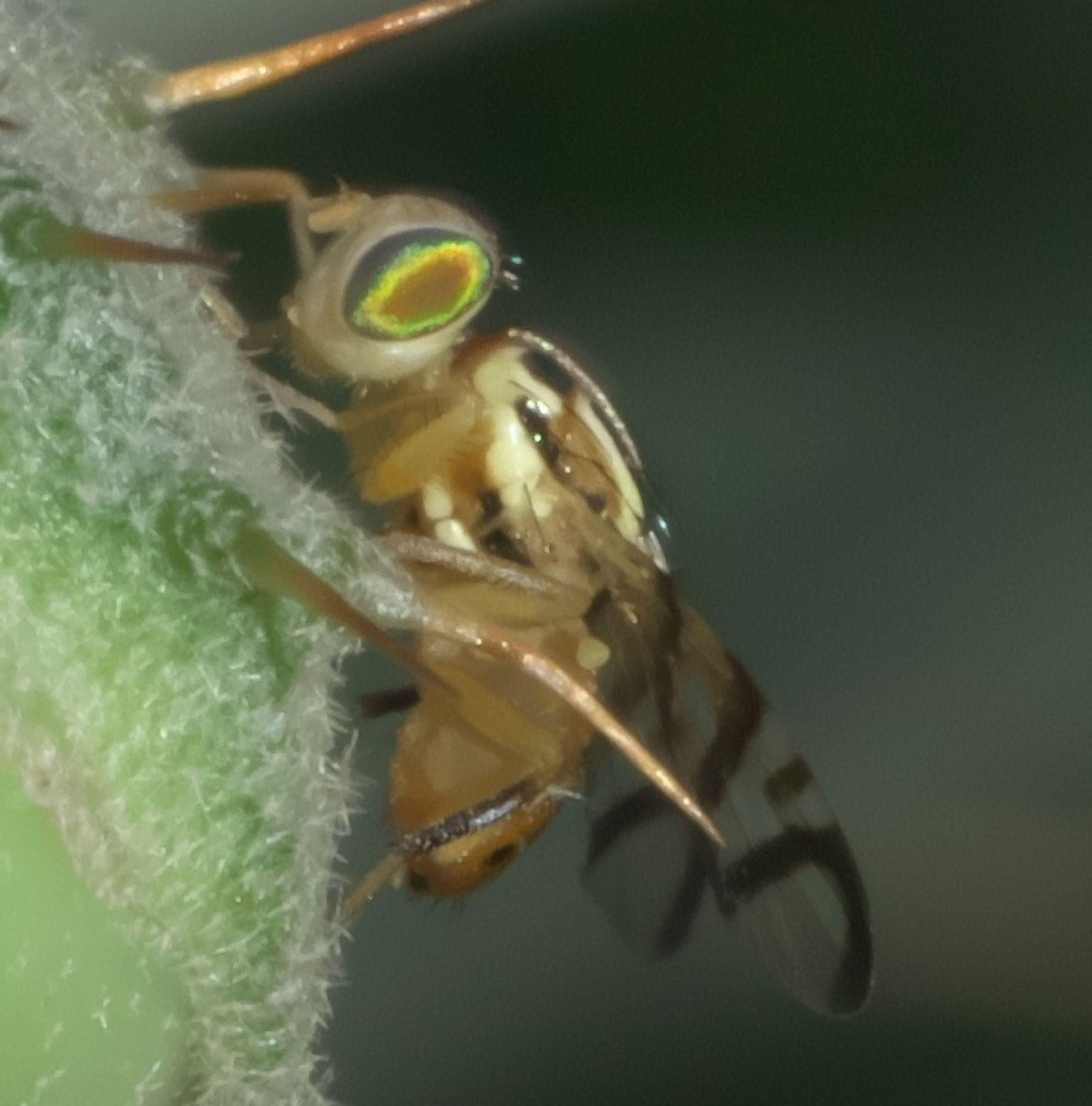
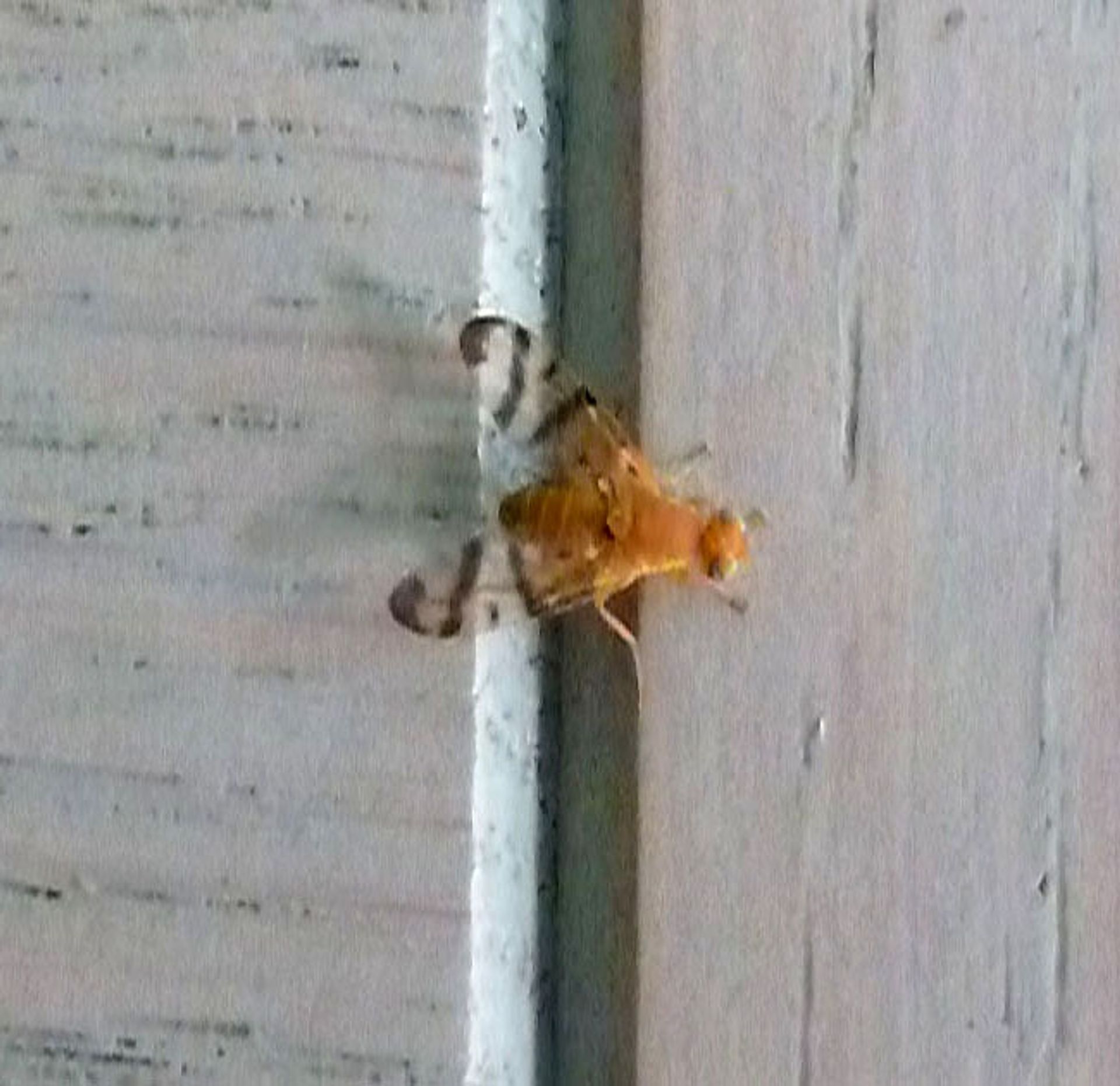
Rhagoletis basiola is a tephritid fruit fly native to North America, commonly known as the rosehip fly. Females oviposit in rosehip fruits and deposit - post-oviposition, a that deters competitors but attracts . production imposes measurable survival costs on females, representing a documented trade-off.
Pronunciation
How to pronounce Rhagoletis basiola: /ræɡoʊˈlɛtɪs bæˈsaɪələ/
These audio files are automatically generated. While they are not always 100% accurate, they are a good starting point.
Images
Habitat
Associated with rosehip fruits (Rosa ). Specific characteristics beyond plant association are not documented in available sources.
Distribution
United States; confirmed records from Vermont. Distribution likely broader but precise range boundaries are undocumented.
Host Associations
- Rosa - plantrosehip fruits; inferred from and study context
- parasitoids - enemyattracted to - deposited by females after oviposition
Life Cycle
Females deposit approximately 3 per day in fruits. Detailed developmental stages beyond oviposition are not documented in available sources.
Behavior
Females deposit - on fruit surfaces immediately after oviposition. This marking deters females from using previously exploited hosts. spend substantial time and energy exploring and handling potential host fruits.
Ecological Role
Fruit-infesting herbivore; for . Participates in tritrophic interactions involving fruit resources, mediated by chemical signals, and parasitoid .
More Details
Host marking trade-off
- function as an avoidance mechanism but simultaneously increase risk, demonstrating a behavioral trade-off between competition and .
Reproductive cost
Oviposition activity directly reduces female even when time and energy expenditures are controlled, indicating that production itself imposes survival costs beyond foraging demands.