Terellia fuscicornis
(Loew, 1844)
Artichoke Fly
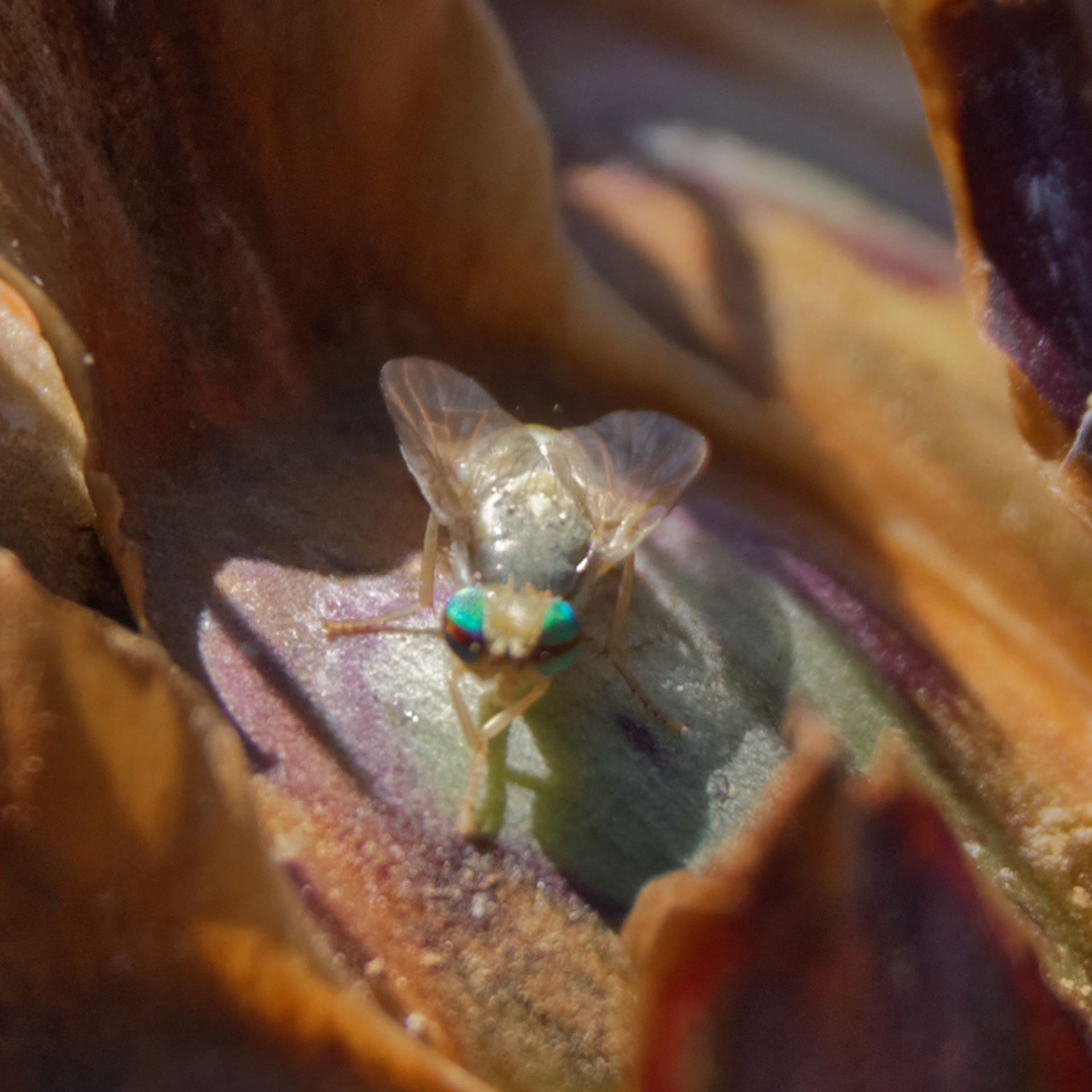
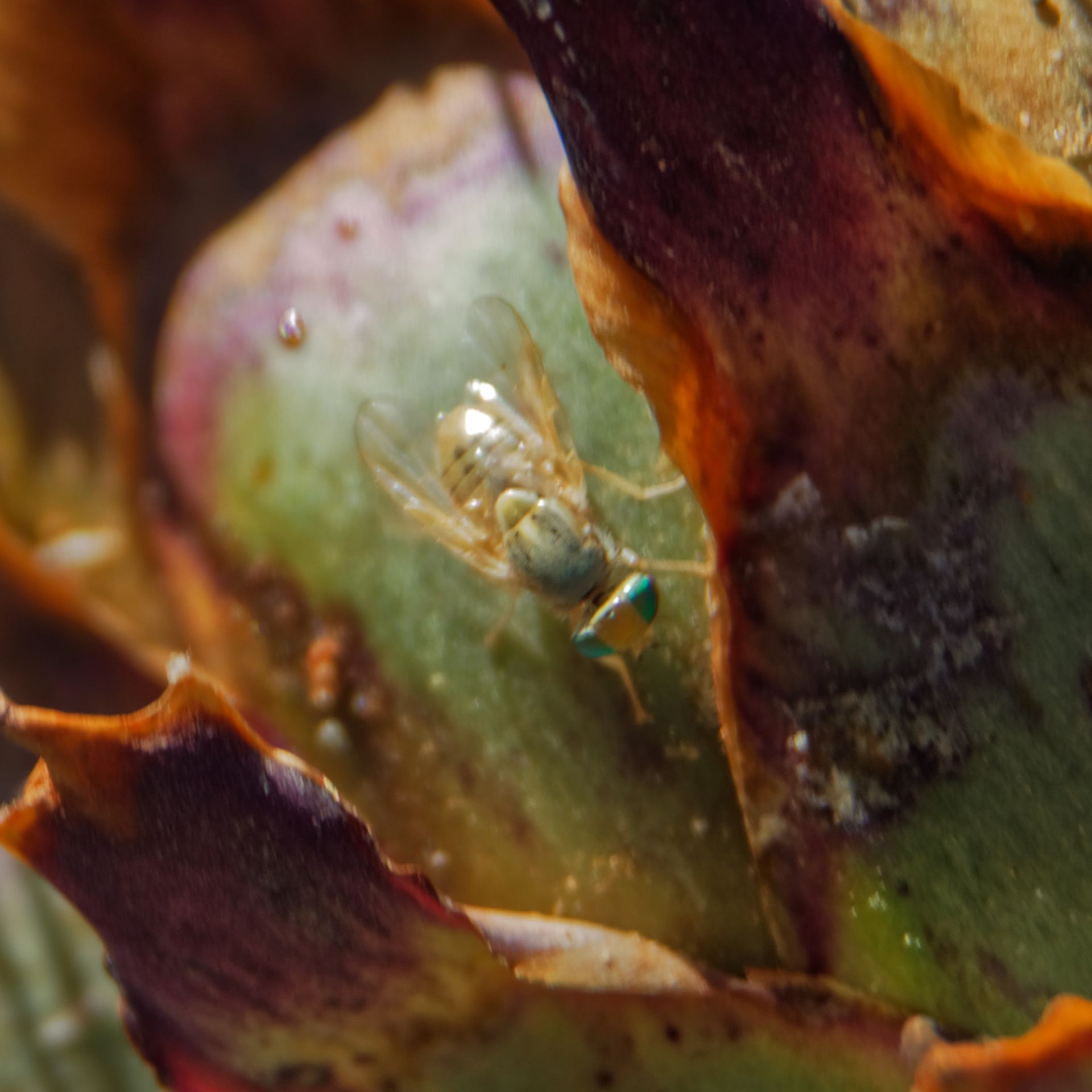
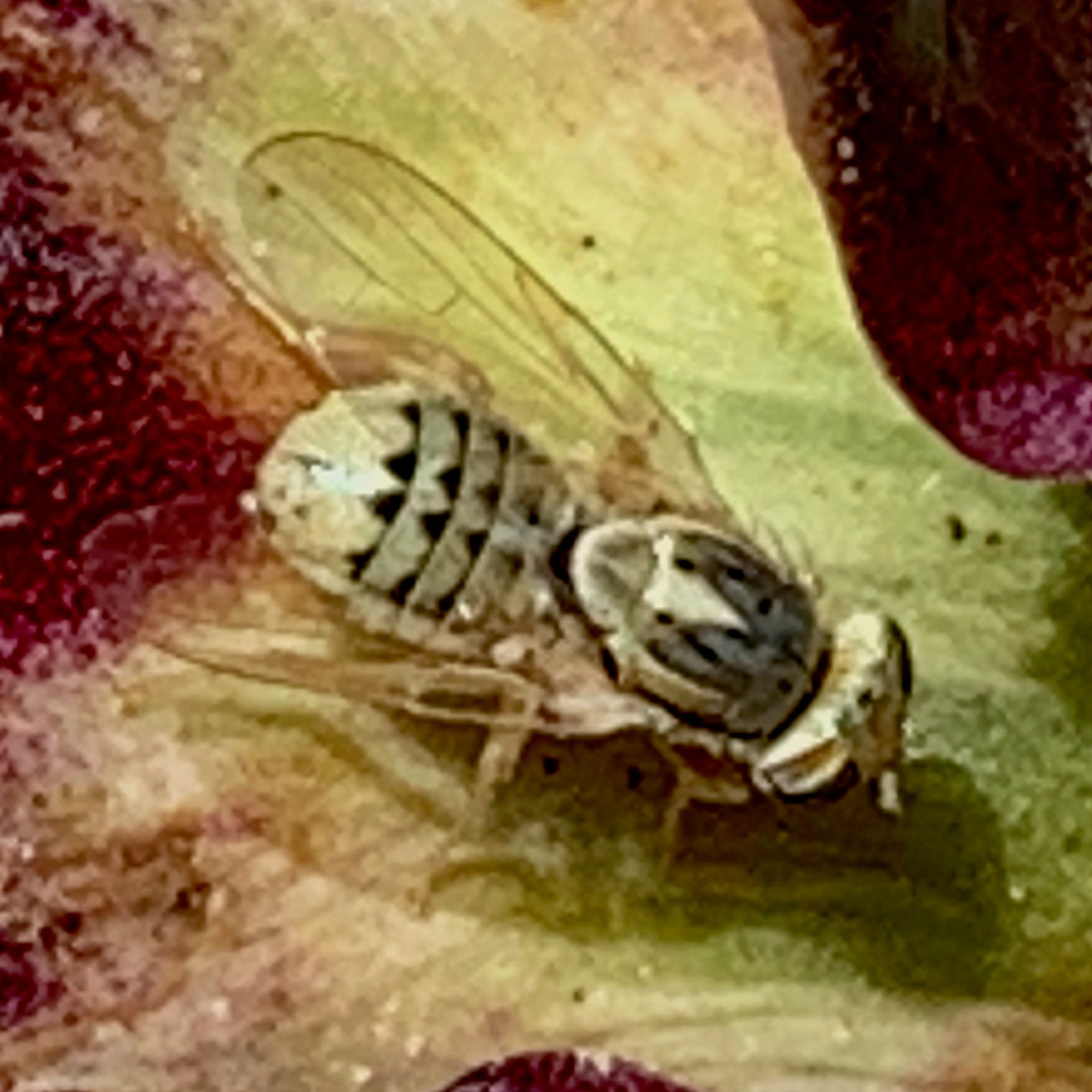
Terellia fuscicornis, commonly known as the Artichoke Fly, is a of tephritid fruit fly first described by Loew in 1844. It is native to the Palearctic region and has been introduced to the United States. The species is associated with artichoke plants, which informs its .
Pronunciation
How to pronounce Terellia fuscicornis: //tɛˈrɛl.i.ə ˌfʊs.ɪˈkɔːr.nɪs//
These audio files are automatically generated. While they are not always 100% accurate, they are a good starting point.
Images
Distribution
Native to Europe, North Africa, and Israel. Introduced to the United States. GBIF records indicate presence in Great Britain, with doubtful records from Belgium, France, and the Netherlands.
Human Relevance
Known as the Artichoke Fly, suggesting association with cultivated artichoke plants. The has been introduced to the United States, likely through human-mediated transport linked to agricultural activities.