
Amphipogon
R.Br., 1810
greybeard grasses
Species Guides
1Amphipogon, commonly known as greybeard grasses, is a of grasses to Australia. The genus belongs to the grass Poaceae and is characterized by its distinctive inflorescences with hairy or bearded spikelets. within this genus are adapted to Australian temperate and Mediterranean climates, often occurring in woodland and forest understories.
Pronunciation
How to pronounce Amphipogon: //ˌæm.fɪˈpoʊ.gɒn//
These audio files are automatically generated. While they are not always 100% accurate, they are a good starting point.
Identification
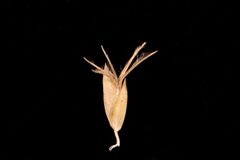
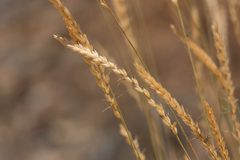
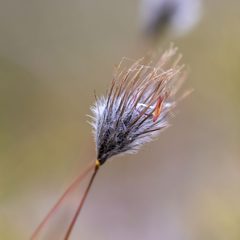
Greybeard grasses are distinguished by their open or contracted panicle inflorescences bearing spikelets with prominent awns and hairy glumes or lemmas, creating a 'bearded' appearance. The can be separated from similar Australian Poaceae genera by its combination of three-veined lemmas, reduced or absent paleas in some , and the distinctive hairy condition of the floral bracts. Vegetatively, species possess linear leaves with open typical of the grass .
Images
Habitat
of Amphipogon occur in temperate Australian environments including eucalypt woodlands, open forests, and heathlands. They are typically found in well-drained soils and are adapted to regions with Mediterranean or temperate seasonal rainfall patterns. Some species occupy rocky outcrops and slopes.
Distribution
to Australia, with distributed across southern and eastern regions including Western Australia, South Australia, Victoria, New South Wales, and Tasmania. The shows a center of diversity in southwestern Western Australia.
Ecological Role
As grasses, Amphipogon contribute to ground layer vegetation structure in Australian woodland . They provide forage for native herbivores and livestock where accessible, and their persistent root systems contribute to soil stabilization in their native .
Human Relevance
Limited direct economic use; occasionally utilized in native grassland restoration projects and as minor components of grazing pasture in southern Australia. The holds interest for study due to its restricted Australian .
Similar Taxa
- AustrodanthoniaShares similar temperate Australian grassland and paniculate inflorescences, but differs in having flat or folded leaf blades and glabrous or less conspicuously hairy spikelets without the dense bearding characteristic of Amphipogon.
- RytidospermaOverlaps in distribution and general grass , but distinguished by its distinctive lemma texture and absence of the prominent awned and bearded spikelet structure seen in Amphipogon.
More Details
Taxonomic Note
The Amphipogon has undergone taxonomic revision, with some former transferred to other genera. Amphipogon humilis is now classified as Melanocenchris jacquemontii, a species not native to Australia. Current accepted species are listed in Plants of the World Online.
Nomenclatural Conflict
There exists a homonym in zoology: Amphipogon Wahlberg, 1845 is a of flies in Piophilidae (order Diptera). The genus Amphipogon R.Br., 1810 has priority based on date of publication. The two names apply to completely unrelated organisms in different kingdoms.