
Dasysyrphus laticaudus
(Curran, 1925)
Boreal Brusheye, boreal conifer fly
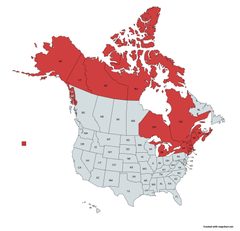
Dasysyrphus laticaudus is a small syrphid fly (5–8.2 mm) commonly found in Eastern and Northern North America. are flower visitors that feed on nectar and pollen. The exhibits in pattern, contact, and abdominal maculae shape. Larvae of the Dasysyrphus are , though specific larval for this species is not documented.
Pronunciation
How to pronounce Dasysyrphus laticaudus: //ˌdeɪsɪˈsɜrfəs ˌlætɪˈkɔːdəs//
These audio files are automatically generated. While they are not always 100% accurate, they are a good starting point.
Identification
Distinguished from similar Dasysyrphus by abdominal maculae pattern: segment 2 maculae large and oval with sexually dimorphic lateral extension (female pointed and reaching margin, male shorter and not reaching margin); segments 3–4 maculae oblique, straight, uniform thickness, not crossing margin. band pattern differs between sexes. Combination of reddish yellow legs with specific black markings on and , plus elongate dark pterostigma, aids identification. Size range 5–8.2 mm.
Images
Distribution
Eastern and Northern North America. Records also from Belgium (Flanders), Denmark, and Norway, though GBIF lists this name as a synonym of Dasysyrphus pauxillus.
Diet
feed on nectar and pollen from flowers. Larval diet unknown at level; Dasysyrphus larvae are .
Behavior
hover and can remain nearly motionless in . Frequently observed on flowers.
Ecological Role
contribute to pollination through flower visitation. Potential agent via in larval stage (-level trait).
Human Relevance
Potential value in of aphids. No documented negative impacts.
Similar Taxa
- Dasysyrphus pauxillusDasysyrphus laticaudus is listed as a synonym of D. pauxillus in GBIF; these may represent the same or closely related requiring taxonomic revision.
- Other Dasysyrphus speciesShare general body plan and larval ; distinguished by specific abdominal maculae patterns, band shape, and leg coloration details.
More Details
Taxonomic Note
GBIF lists Dasysyrphus laticaudus as a synonym of Dasysyrphus pauxillus, suggesting potential taxonomic uncertainty or geographic variation in concepts. The name D. laticaudus remains in common use for North American .
Nomenclature
Described by Curran in 1925. include ' conifer fly' and 'Boreal Brusheye'.