
Asemosyrphus
Bigot, 1882
Sicklelegs
Species Guides
1- Asemosyrphus polygrammus(Northern Sickleleg)
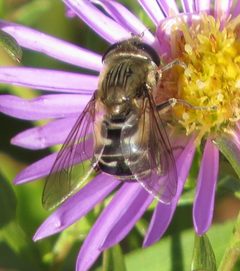
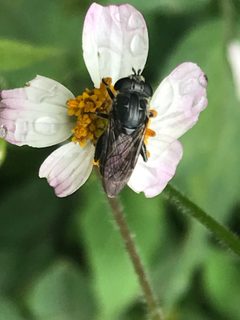
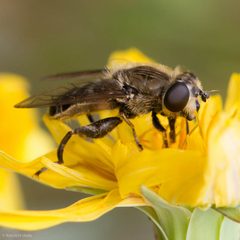
Asemosyrphus is a of hoverflies (Syrphidae) commonly known as sicklelegs, containing three described . Members were formerly classified under the genus Lejops. These flies are part of the rat-tail maggot group, referring to the aquatic larval stage with a long breathing siphon. The genus is placed in the Eristalinae and is known from the Americas.
Pronunciation
How to pronounce Asemosyrphus: /əˌsiːmoʊˈsɪrfəs/
These audio files are automatically generated. While they are not always 100% accurate, they are a good starting point.
Identification
The 'sicklelegs' refers to a diagnostic leg modification useful for distinguishing this from related hoverflies. Former classification under Lejops may cause confusion in older literature. Accurate identification to level requires examination of specific morphological characters not detailed in general sources.
Images
Appearance
have a distinctive leg structure that gives the group its 'sicklelegs,' with modified hind legs. As hoverflies, they possess the single pair of wings characteristic of Diptera, with present. The body form is generally robust, typical of the Eristalinae . Specific coloration and pattern vary among the three .
Habitat
Larvae develop in aquatic or semi-aquatic environments, typical of rat-tail maggot flies. Breeding sites include stagnant or slow-moving water bodies where organic matter accumulates. flies are found in associated terrestrial near larval development sites.
Distribution
Known from the Americas. Asemosyrphus arquatus and A. polygrammus occur in North America, with A. polygrammus (common sickleleg) being widespread. Asemosyrphus mexicanus (southern sickleleg) occurs in Mexico and the southern United States, as the name indicates.
Life Cycle
Larvae are aquatic rat-tail maggots with a long breathing siphon, allowing respiration while the body remains submerged in decaying organic matter. This larval is characteristic of the Eristalinae . Details of and are not specifically documented for this .
Behavior
engage in flower visitation typical of syrphid flies. Larval involves feeding in aquatic detritus with the breathing siphon extended to the water surface.
Ecological Role
Larvae contribute to nutrient cycling in aquatic through decomposition of organic matter. may participate in pollination during flower visitation. The group fits within the broader ecological functions of hoverflies as decomposers and .
Human Relevance
The has limited direct human impact. Larvae are not considered significant pests. are harmless and do not bite or sting. The 'sicklelegs' and the rat-tail maggot larval form make the group identifiable for naturalists and entomologists.
Similar Taxa
- LejopsFormerly included now placed in Asemosyrphus; historical taxonomic confusion requires attention to current classification.
- Other Eristalinae generaShare rat-tail maggot larval form and general ; leg structure distinguishes Asemosyrphus.
More Details
Taxonomic History
Transferred from Lejops based on revised classification, reflecting ongoing refinement of syrphid . Authorship attributed to Bigot, 1882.
Species Composition
Contains three described : A. arquatus, A. mexicanus, and A. polygrammus. No additional species have been described as of available sources.