Arctosyrphus
Frey, 1918
Species Guides
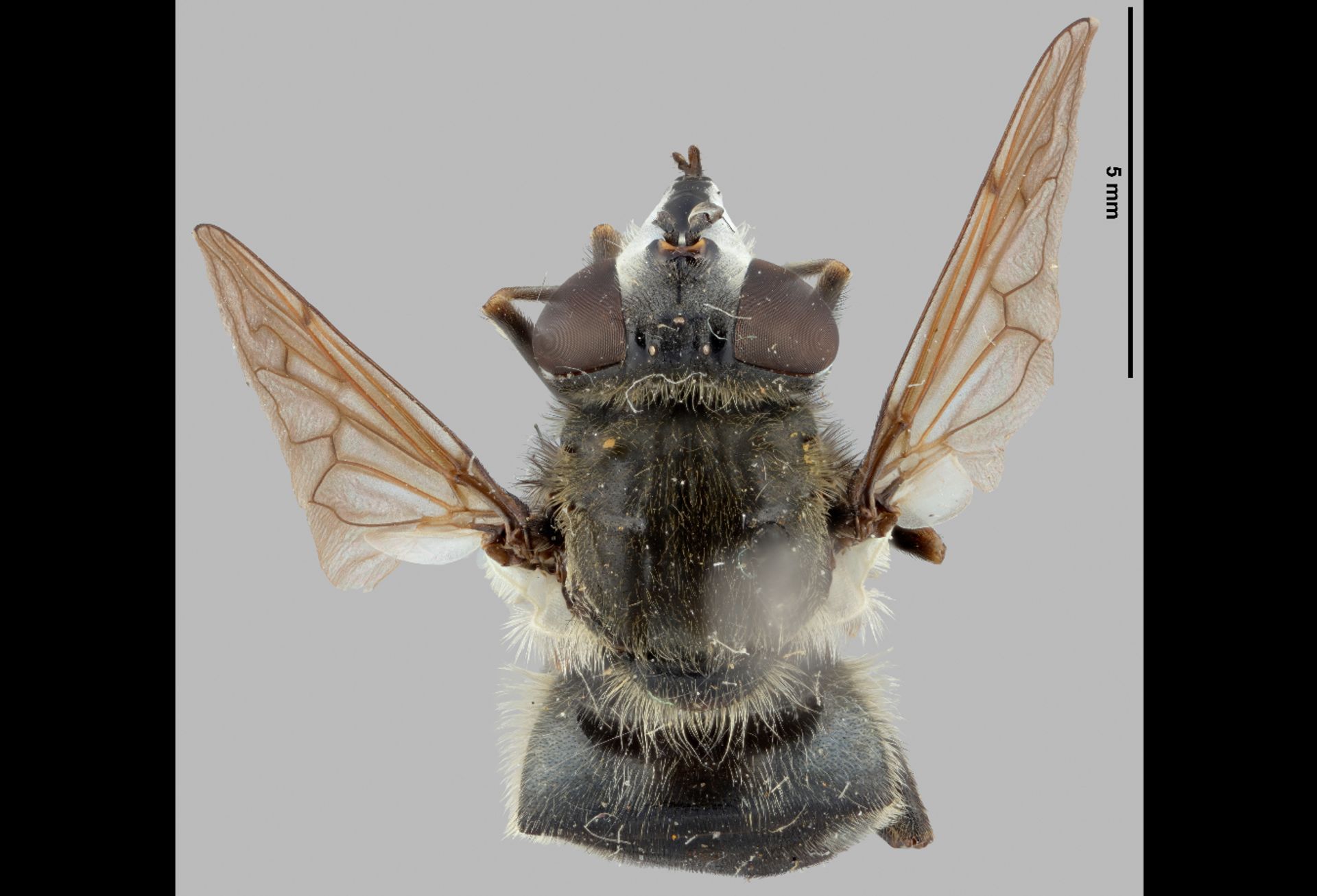
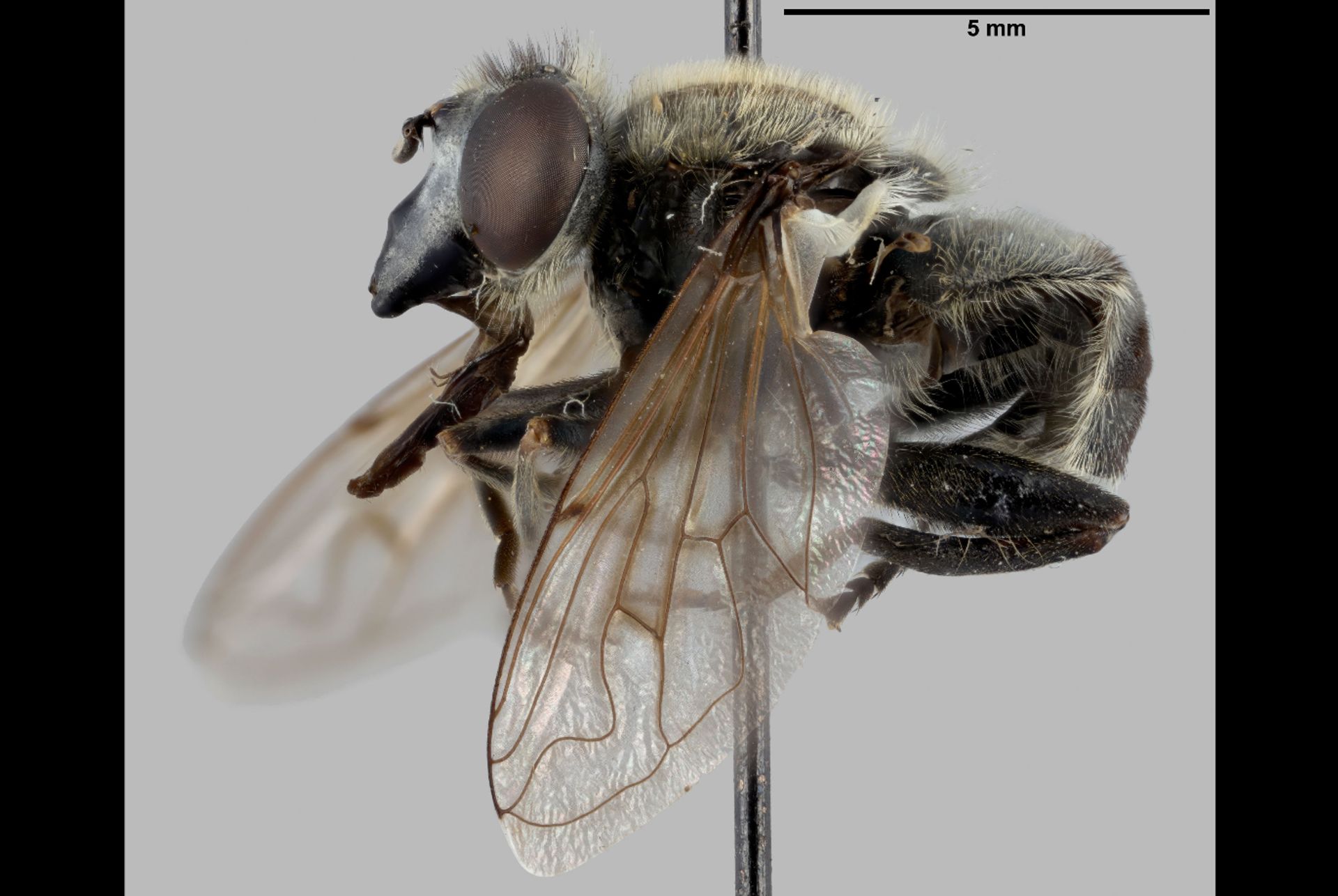
1- Arctosyrphus willingii(northern longbeak)
Arctosyrphus is a of hoverflies ( Syrphidae) established by Frey in 1918. The genus contains a single , Arctosyrphus willingii, which was transferred from the genus Lejops. Members of this genus belong to the rat-tail maggot fly group, characterized by aquatic or semi-aquatic larval development in decomposing organic matter.
Pronunciation
How to pronounce Arctosyrphus: /ˌɑːrktoʊˈsɪrfəs/
These audio files are automatically generated. While they are not always 100% accurate, they are a good starting point.
Identification
The can be distinguished from related genera such as Lejops by genitalic and other morphological features that led to its separation as a distinct genus. As a genus, identification to level within Arctosyrphus is straightforward, though distinguishing Arctosyrphus willingii from species of the related genus Lejops requires examination of specific morphological characters, particularly male genitalia.
Images
Life Cycle
Larval development follows the rat-tail maggot form typical of related eristaline syrphids, with larvae possessing a telescopic breathing siphon that allows respiration while living in aquatic or semi-aquatic environments with decomposing organic material. Specific details of the for this have not been documented.
Ecological Role
As with other rat-tail maggot flies, the larvae likely contribute to nutrient cycling in aquatic and semi-aquatic through consumption of decaying organic matter. hoverflies may serve as , though this has not been specifically documented for this .
Similar Taxa
- LejopsArctosyrphus was formerly classified within Lejops and shares general morphological similarities; it was separated based on distinct genitalic and other structural characters.
More Details
Taxonomic history
The was established by Frey in 1918. Arctosyrphus willingii was transferred from Lejops, indicating a close phylogenetic relationship between these genera.
Data scarcity
With only 9 observations recorded on iNaturalist and no distribution records in GBIF, this appears to be rarely encountered or underreported. The lack of detailed biological information reflects this limited observational base.