
Xylomya pallidifemur
Malloch, 1917
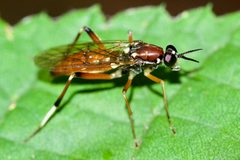
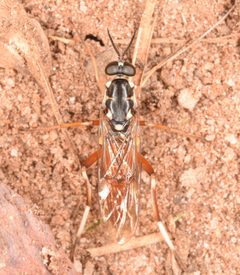
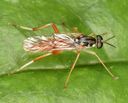
Xylomya pallidifemur is a of wood soldier fly in the Xylomyidae, described by Malloch in 1917. It occurs in North America, with records from Canada and the United States. Like other members of its family, it is associated with decaying wood . The species name refers to pale , a diagnostic coloration feature.
Pronunciation
How to pronounce Xylomya pallidifemur: //zaɪˈloʊ.miə ˌpæl.ɪˈdaɪ.fɛm.jʊr//
These audio files are automatically generated. While they are not always 100% accurate, they are a good starting point.
Identification
The specific epithet 'pallidifemur' refers to pale or whitish , which likely serves as a key diagnostic feature separating this from . Detailed morphological descriptions are not available in the provided sources. Accurate identification likely requires examination of genitalia or other fine structural characters typical of xylomyid .
Images
Habitat
Associated with decaying wood and forested environments, based on -level of Xylomyidae.
Distribution
Canada and United States.
Ecological Role
Larvae of Xylomyidae are saproxylic, contributing to wood decomposition and nutrient cycling in forest .
Similar Taxa
- Xylomya maculataOverlapping North American distribution; distinguished by different leg coloration patterns.
- Xylomya tenthredinoidesAnother North American ; differs in body size and coloration details.
More Details
Taxonomic authority
Described by John Russell Malloch in 1917, a prolific dipterist who described numerous North American fly .
Family characteristics
Xylomyidae (wood soldier flies) are a small of with approximately 130 worldwide. are often found near larval in dead wood.