
Chiromyzinae
Brauer, 1880
Genus Guides
1- Inopus(sugarcane soldier fly)
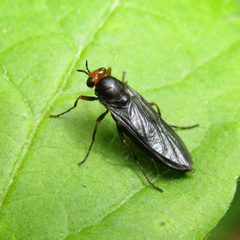
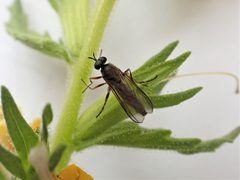
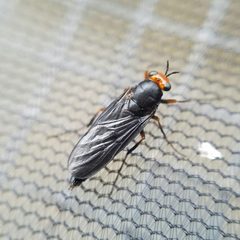
Chiromyzinae is a of soldier flies (Diptera: Stratiomyidae) comprising approximately 14 and at least 50 described . The subfamily exhibits pronounced in some genera, with winged males and (wingless) females. At least one species, Metridius robertsoni, has been documented as a pest of sugarcane in Australia.
Pronunciation
How to pronounce Chiromyzinae: //ˌkaɪroʊmɪˈzaɪniː//
These audio files are automatically generated. While they are not always 100% accurate, they are a good starting point.
Identification
within Chiromyzinae can be distinguished using morphological keys; with females and winged males is a notable diagnostic feature in some genera such as Metridius.
Images
Habitat
Soil associated with agricultural crops; specifically documented from sugarcane stools in central Queensland, Australia.
Distribution
Documented from Australia (central Queensland, New South Wales); broader global distribution includes regions where constituent occur.
Host Associations
- sugarcane - larval Metridius robertsoni larvae found infesting sugarcane stools
Life Cycle
Larvae develop in soil or plant material; exhibit with winged males and females in some , suggesting limited female .
Behavior
Females of some are flightless (), contrasting with winged males; larvae infest plant root systems or stools.
Ecological Role
Some function as agricultural pests; role in broader processes is poorly documented.
Human Relevance
Metridius robertsoni has been identified as a pest of sugarcane in central Queensland, Australia.
Similar Taxa
- other Stratiomyidae subfamiliesChiromyzinae is distinguished by combinations of morphological characters and, in some , by the presence of females alongside winged males.