
Pullimosina
Roháček, 1983
lesser dung flies
Species Guides
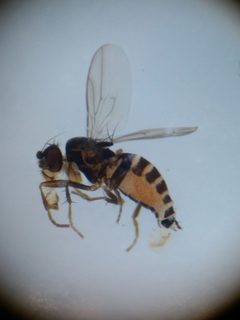
1- Pullimosina pullula(lesser dung fly)
Pullimosina is a of small flies in the Sphaeroceridae, commonly known as lesser dung flies. The genus was established by Roháček in 1983 and contains approximately 25 described distributed across two subgenera: Pullimosina (Pullimosina) and Pullimosina (Dahlimosina). Species within this genus occupy diverse including peat bogs, leaf litter of laurel forests, and other decaying organic matter environments. Some species exhibit wing reduction and poor ability, leading to restricted distributions and local .
Pronunciation
How to pronounce Pullimosina: //ˌpʌlɪmoʊˈsiːnə//
These audio files are automatically generated. While they are not always 100% accurate, they are a good starting point.
Images
Habitat
vary by and include: peat bogs with Sphagnum hummocks (montane and submontane mires, transitional mires, fens); leaf-litter stratum of laurel forests (Laurisilva); and terricolous environments with decaying organic matter.
Distribution
Recorded from Europe (Denmark, Norway, Sweden, Russia including North Caucasus), Madeira Island (Portugal), and Japan (Ryukyu Islands). Distribution records indicate Holarctic and Macaronesian regions. Some are narrowly due to limitations.
Diet
Microsaprophagous; feeds on liquids containing microorganisms and decomposed organic substances derived from decaying animal matter (excrement, carrion), vegetal material (dead plants and remnants), and fungal sporocarps.
Behavior
Some exhibit strongly reduced wings (brachyptery) and poor flying ability. The wing-reduced species P. (Pullimosina) turfosa is a strict tyrphobiont, occurring only in peat bog . Madeiran species are terricolous inhabitants of leaf litter with limited capacity.
Ecological Role
Contributes to decomposition processes in peat bog, forest litter, and other organic matter environments as a microsaprophagous organism. Member of Sphaeroceridae in these .
Sources and further reading
- BugGuide
- Wikipedia
- GBIF taxonomy match
- iNaturalist taxon
- NCBI Taxonomy
- Catalogue of Life
- Pullimosina (Pullimosina) turfosa sp. nov. and other Sphaeroceridae (Diptera) from peat bogs in the North Caucasus (Russia)
- First Sphaeroceridae (Diptera) endemic to Madeira – three new terricolous species of Spelobia and Pullimosina