
Orygma
Meigen, 1830
Species Guides
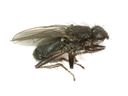
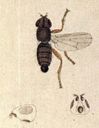
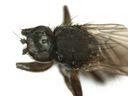
1Orygma is a European of flies in the Sepsidae, established by Meigen in 1830. The sole , Orygma luctuosum, is associated with coastal wrack zones where its larvae develop in decaying seaweed and marine debris. The genus is classified in the Orygmatinae, reflecting its distinct ecological specialization within the Sepsidae.
Pronunciation
How to pronounce Orygma: //ɔˈrɪɡmə//
These audio files are automatically generated. While they are not always 100% accurate, they are a good starting point.
Identification
Orygma can be distinguished from other sepsid by its association with coastal wrack and by features consistent with the Orygmatinae. Specific diagnostic morphological characters for the genus are not well documented in available sources.
Images
Habitat
Coastal wrack zones, where decaying seaweed and marine organic matter accumulate on shorelines. Larvae develop within this decomposing marine debris.
Distribution
Europe. The is restricted to this region based on current records.
Life Cycle
Larvae inhabit the wrack zone, developing in decaying seaweed and marine debris. Details of and have not been documented.
Ecological Role
Decomposer in coastal wrack , contributing to nutrient cycling of marine organic matter.
Similar Taxa
- Other Sepsidae generaOrygma differs in specialization; most sepsids are associated with or decaying terrestrial organic matter rather than marine wrack.
More Details
Monotypy
Orygma contains only one recognized , Orygma luctuosum, making it one of the smaller within Sepsidae.
Subfamily placement
The is the type genus of Orygmatinae, indicating its phylogenetic distinctiveness within the .