
Traginops irroratus
Coquillett, 1900
Traginops irroratus is a of fly in the Odiniidae, described by Coquillett in 1900. The Traginops belongs to the Traginopinae, one of the more distinctive lineages within this small family of acalyptrate Diptera. Odiniid flies are generally associated with decomposing wood and sap flows, though specific natural history details for this species remain poorly documented.
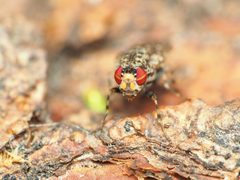
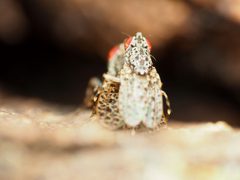
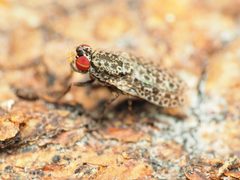
Pronunciation
How to pronounce Traginops irroratus: /ˌtræɡɪˈnɒps ˌɪrɔˈreɪtəs/
These audio files are automatically generated. While they are not always 100% accurate, they are a good starting point.
Identification
Members of Odiniidae can be recognized by their characteristic wing venation, including a distinct anal and reduced subcostal . Within the , Traginops may be distinguished by features of the and chaetotaxy, though precise diagnostic characters for T. irroratus specifically require examination of and detailed taxonomic keys.
Images
Similar Taxa
- Other Odiniidae generaOdiniidae contains several (e.g., Odinia, Coganodinia) that share reduced wing venation and similar body plans; microscopic examination of genitalia and chaetotaxy is required for definitive separation.
- HeleomyzidaeSome heleomyzid flies share the dull coloration and wood-associated habits of Odiniidae, but differ in wing venation details and antennal structure.
More Details
Taxonomic stability
The classification of Odiniidae has remained relatively stable, with Traginopinae consistently recognized as a containing Traginops. The T. irroratus has not been subject to recent taxonomic revision or synonymization.
Data deficiency
Despite being described over 120 years ago, T. irroratus remains poorly known biologically. The 96 iNaturalist observations suggest recent collection effort, but published ecological studies are lacking.