Mumetopia
Melander, 1913
Species Guides
1Mumetopia is a of small flies in the Anthomyzidae, established by Melander in 1913. The genus currently includes at least five described distributed across North and South America. Recent taxonomic revision based on molecular and morphological data has broadened the concept of Mumetopia to include species from Chile and the Juan Fernández Islands, some of which exhibit distinctive external . One species, M. interfeles, has been documented occurring in mass numbers in urban grassy .
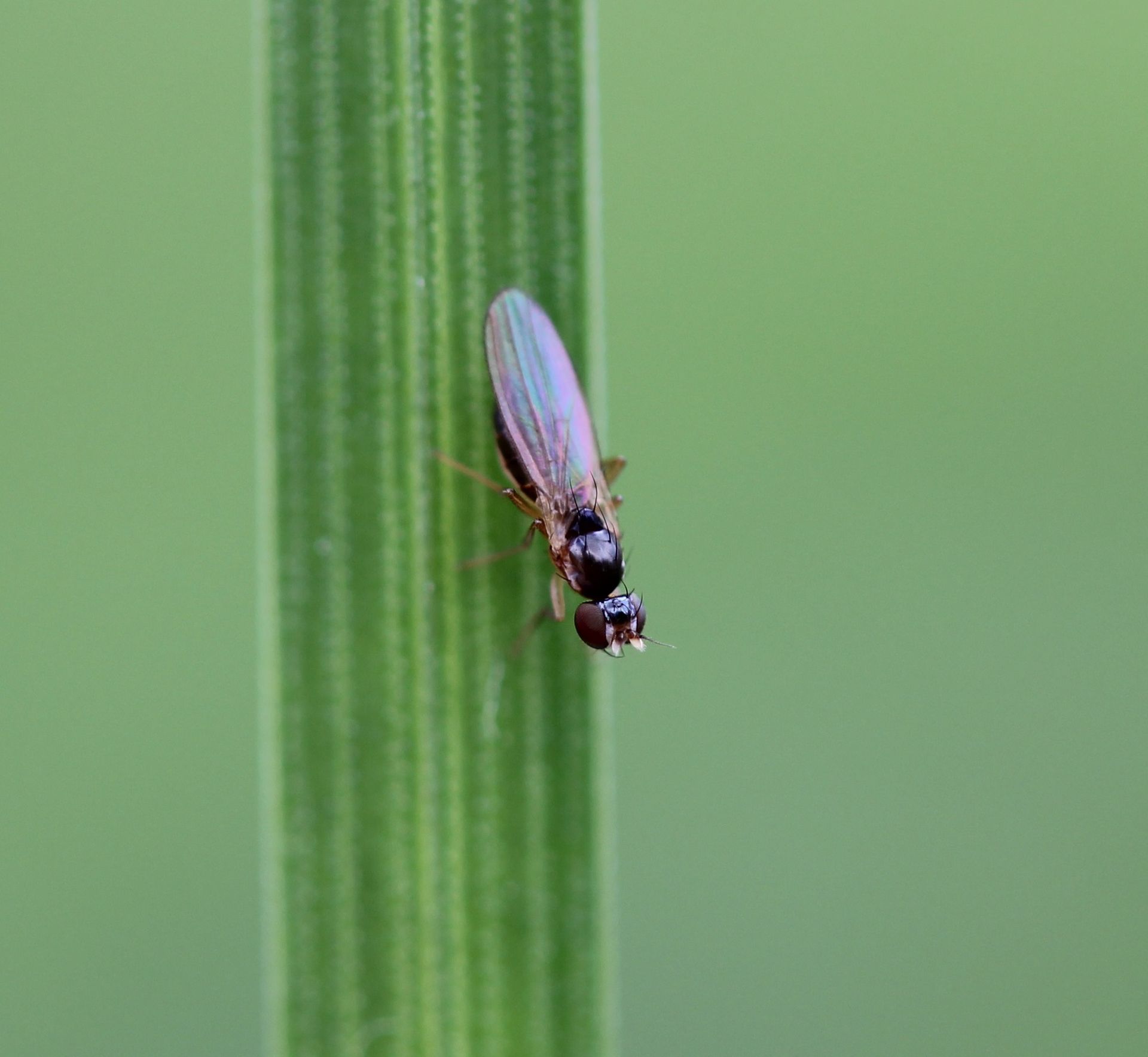
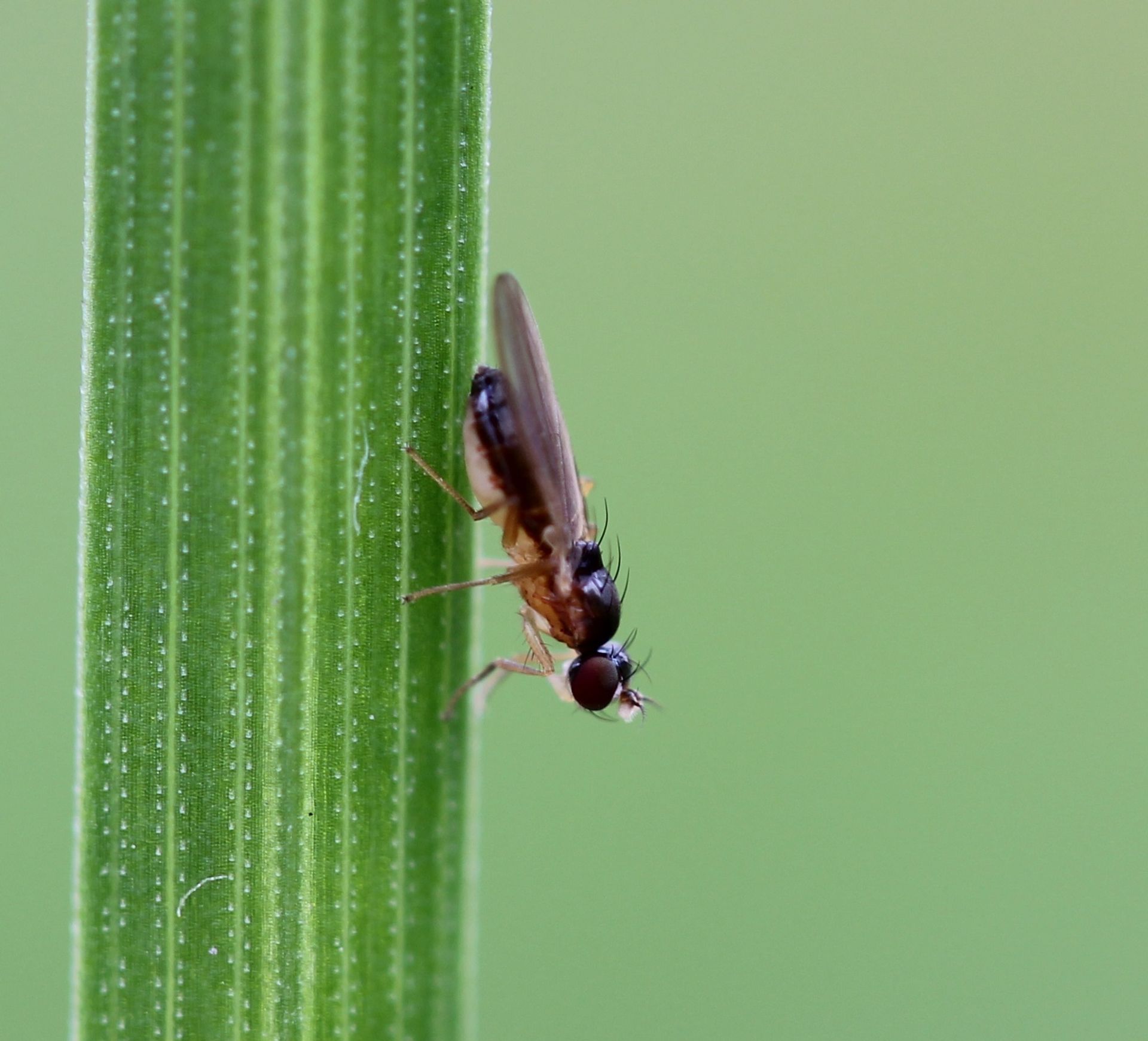
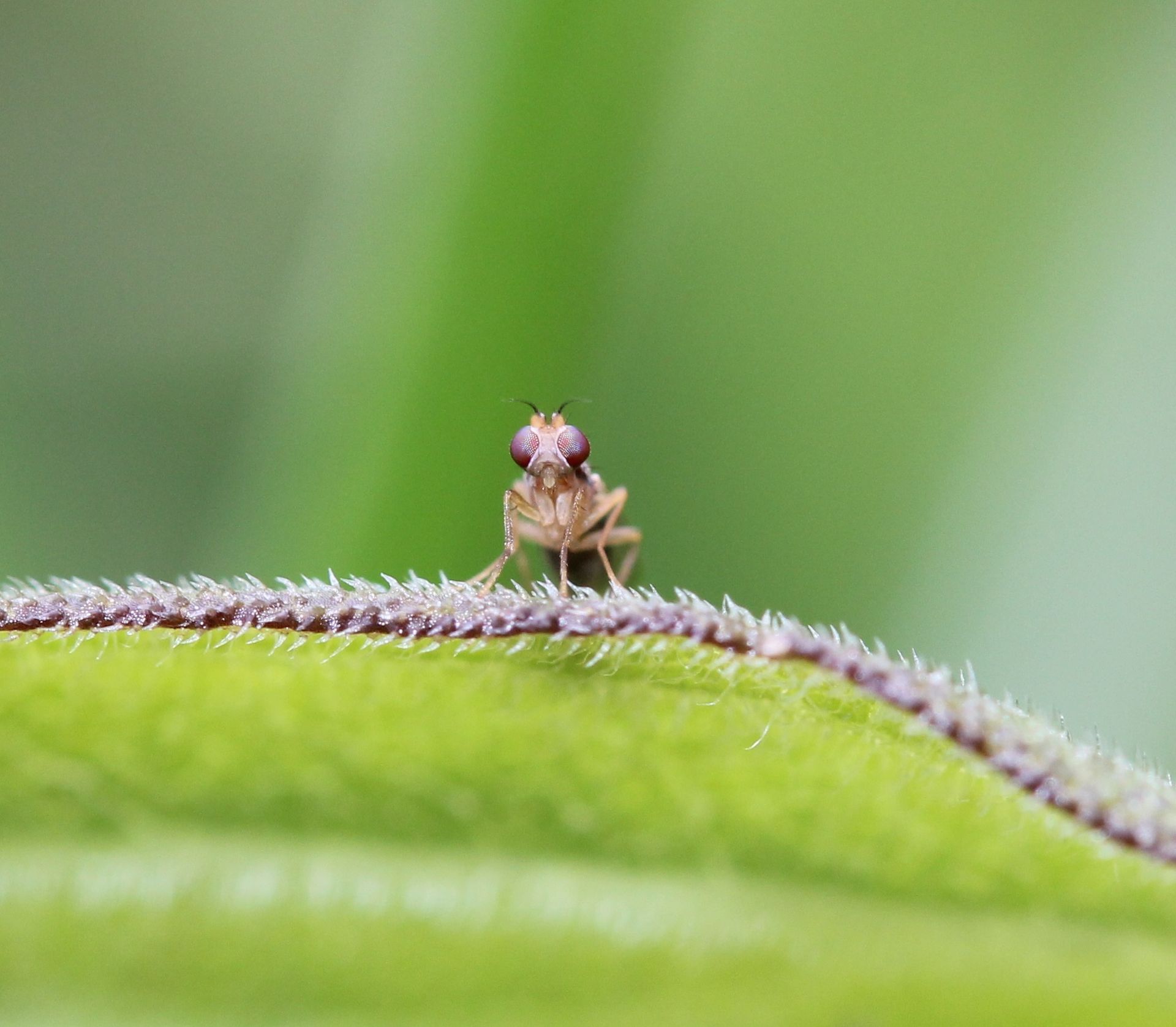
Pronunciation
How to pronounce Mumetopia: /ˌmjuːməˈtoʊpiə/
These audio files are automatically generated. While they are not always 100% accurate, they are a good starting point.
Images
Habitat
Urban and suburban grassy areas; one known from anthropogenic with non-native wall barley (Hordeum murinum) in Valparaíso, Chile. Undescribed relatives to the Juan Fernández Islands suggest potential for insular habitat associations.
Distribution
North America (at least two : M. nigrimana, M. occipitalis, M. terminalis) and South America (Chile: M. interfeles; Juan Fernández Islands: undescribed relatives).
Host Associations
- Hordeum murinum - associated withM. interfeles collected in mass numbers from urban grassy area dominated by this non-native grass; direct feeding relationship not confirmed
Behavior
Mass occurrence of has been observed in at least one (M. interfeles), with extremely high densities in a small urban grass patch.
Ecological Role
Member of Diptera in urban grassland ; co-occurs with phytophagous Chloropidae in Hordeum murinum stands.
Similar Taxa
- Chamaebosca group of generaPreviously considered related based on ; phylogenetic analyses now place Mumetopia within this broader clade, necessitating revised generic limits
More Details
Taxonomic revision
The concept was recently broadened to include M. interfeles and externally aberrant, undescribed species from the Juan Fernández Islands, based on Bayesian inference and maximum likelihood analyses of seven markers (12S, 16S, 28S, COI, COII, CytB, ITS2) combined with morphological cladistic data.