
Euhexomyza schineri
(Giraud, 1861)
Poplar Twiggall Fly
Euhexomyza schineri, commonly known as the poplar twiggall fly, is a small gall-forming fly in the Agromyzidae. The induces smooth, circular galls on poplar twigs, with larvae developing inside before pupating in late winter to early spring. It has been recorded across North America, with additional reports from Europe and Asia. The species is associated with multiple Populus species, with quaking aspen (P. tremuloides) as the primary .
Pronunciation
How to pronounce Euhexomyza schineri: /juːhɛksəˈmaɪzə ˈʃɪnɛri/
These audio files are automatically generated. While they are not always 100% accurate, they are a good starting point.
Identification
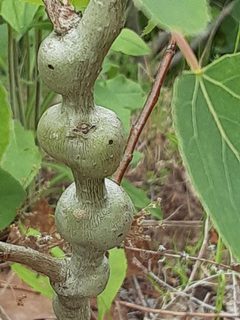
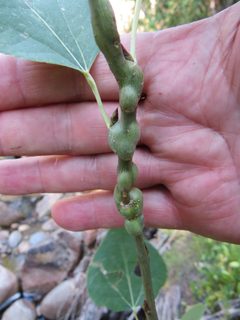
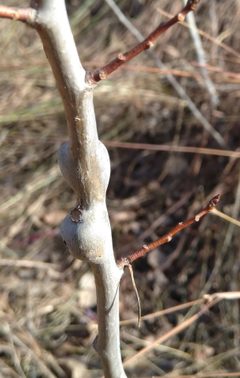
are distinguished from other small dark flies by their stout, shiny body and association with poplar twig galls. The gall itself is diagnostic: a smooth, circular swelling on twigs below the bud, unlike the irregular or spiny galls produced by other gall-formers. The presence of yellow-green larvae inside during autumn and winter confirms the .
Images
Appearance
flies are 2–4 mm in length, with a stout, shiny, dark body. The gall is a smooth, circular swelling that forms on new twigs below the bud and integrates into the stem.
Habitat
Poplar-dominated including forests, woodlands, and riparian areas where Populus occur. Galls form on new twigs of trees.
Distribution
Primarily recorded across the West Coast and Northeast United States, and Southeastern Canada. Additional occurrences reported in Europe and Asia.
Seasonality
Gall formation begins in summer and continues through autumn. Larvae overwinter inside galls. occurs from late winter to early spring, with emerging and active during the day, resting on leaves.
Host Associations
- Populus tremuloides - primary quaking aspen
- Populus - many of poplar
Life Cycle
are laid on new poplar twigs. Larvae induce gall formation beginning in summer, developing through autumn as multiple yellow-green larvae per gall. Larvae overwinter inside the gall. occurs in late winter to early spring, with pupae dropping to the ground. emerge from pupae in soil.
Behavior
rest on leaves during the day when active. Pupae exit galls and drop to the ground to complete development.
Ecological Role
Gall formation creates structural for other organisms. The exit wounds from emerging pupae and bird damage to galls have been observed to facilitate entry of Cytospora canker, a fungal of poplars. The Eurytoma contractura is known to attack this .
Human Relevance
Minor economic concern due to association with Cytospora canker development on poplars, potentially affecting timber and ornamental trees.
Similar Taxa
- Other Agromyzidae gall-formersOther members of the may form galls on different plant or produce differently structured galls; host plant and gall help distinguish E. schineri.
- Other poplar gall insectsCecidomyiidae (gall midges) and other groups produce poplar galls, but these typically differ in gall shape, texture, or location on the plant.
More Details
Parasitoids
The chalcid Eurytoma contractura Bigbee, 1967 is a known of this .
Gall-associated pathology
Cytospora canker (caused by Valsa/Cytospora fungi) can develop around galls due to wounds from exiting pupae or bird attempts.