
Megaprosopini
Genus Guides
2Megaprosopini is a tribe of tachinid flies (Diptera: Tachinidae) within the Tachininae. The tribe contains at least 16 , including the type genus Megaprosopus. Members are flies, though specific associations remain poorly documented for most genera.
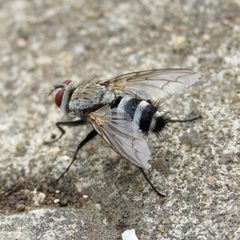
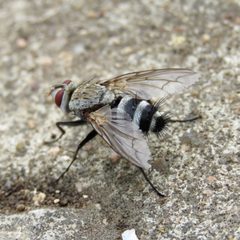
Pronunciation
How to pronounce Megaprosopini: /mɛɡəˌprɒsəˈpiːnaɪ/
These audio files are automatically generated. While they are not always 100% accurate, they are a good starting point.
Identification
Megaprosopini is distinguished from other Tachininae tribes primarily by genitalic and chaetotaxic characters visible under magnification. The tribe includes with notably large facial structures, as suggested by the type genus name Megaprosopus (Greek: 'large '). Definitive identification to tribe level requires examination of male terminalia and postabdominal structures.
Images
Distribution
The tribe has a broad distribution with records from multiple continents. such as Dexiosoma occur in the Palearctic region, while Irengia, Stuardomyia, and Trichoceronia are documented from South America. Montanothalma is known from southern Africa. The type genus Megaprosopus has Australian distribution.
Ecological Role
As members of Tachinidae, Megaprosopini function as , contributing to of other insects. The tribe represents part of the diverse tachinid radiation that plays significant roles in natural and agricultural dynamics, though specific ecological impacts are documented for few .
Similar Taxa
- TachininiShares Tachininae; distinguished by different male genitalic structure and facial profile
- ErnestiniAnother Tachininae tribe; separation based on chaetotaxy and postabdominal
More Details
Taxonomic History
The tribe has undergone significant revision, with many transferred in or out based on phylogenetic studies. The current circumscription includes 16 genera, though this number has fluctuated with changing concepts of tribal boundaries within Tachininae.
Research Needs
Most within Megaprosopini are poorly studied, with basic , associations, and even -level remaining unknown. The iNaturalist observation count of over 1500 suggests field detectability, but identifications to genus or species level are likely tentative.