
Bigonichetini
Townsend, 1919
Genus Guides
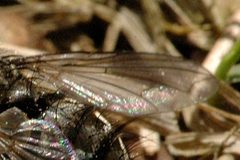
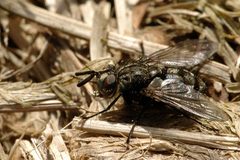
1Bigonichetini is a tribe of tachinid flies ( Tachinidae) established by Townsend in 1919. Its taxonomic status remains unsettled; some authorities consider it a synonym of Loewiini. The tribe includes four : Cucuba, Lissoglossa, Triarthria, and Trichactia. Members are flies, though specific associations for the tribe as a whole are poorly documented.
Pronunciation
How to pronounce Bigonichetini: /bɪɡoʊnɪˈkɛtɪnaɪ/
These audio files are automatically generated. While they are not always 100% accurate, they are a good starting point.
Identification
Separation from Loewiini depends on interpretation of genitalic and chaetotaxy characters; the tribes are not consistently distinguished in practice. Generic-level identification within Bigonichetini relies on examination of abdominal sternite structure, male terminalia, and bristle patterns on the scutellum and legs.
Images
Distribution
Recorded from the Palearctic and Nearctic regions based on constituent distributions; specific range limits for the tribe as a whole are undefined due to taxonomic uncertainty.
Host Associations
- Unknown - Specific for Bigonichetini are not documented. As Tachinidae, members are presumed of other insects, but this has not been verified for the tribe.
Ecological Role
Presumed contributing to regulation of insect , though quantitative ecological impact is unstudied.
Similar Taxa
- LoewiiniTaxonomic synonymy; Bigonichetini has been treated as junior synonym of Loewiini by some based on overlapping morphological characters and genitalic similarities.
- BrachymeriniCatalogue of Life places Bigonichetini within Brachymerini, indicating potential hierarchical or synonymic relationship requiring further study.
More Details
Taxonomic instability
The Catalogue of Life lists Bigonichetini as a synonym with uncertain status, while other sources maintain it as valid. This reflects ongoing disagreement about tribal boundaries within Tachininae.