
Pachyceramyia
Albuquerque, 1955
Species Guides
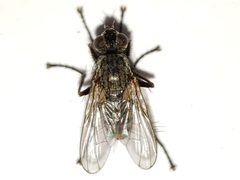
1Pachyceramyia is a of muscid flies established by Albuquerque in 1955. The genus contains approximately six described distributed primarily in the Americas. Species are classified within the Coenosiinae and tribe Limnophorini, a group associated with semi-aquatic and shoreline . The genus name derives from Greek roots suggesting thick or swollen horn-like structures, likely referring to distinctive antennal or facial features.
Pronunciation
How to pronounce Pachyceramyia: //ˌpækɪsɛrəˈmaɪə//
These audio files are automatically generated. While they are not always 100% accurate, they are a good starting point.
Images
Habitat
in the tribe Limnophorini, to which Pachyceramyia belongs, are frequently associated with moist environments including lake margins, stream banks, and coastal shorelines. The specific epithet 'littoralis' among described species supports this shoreline association.
Distribution
The is known from the Americas based on descriptions. Pachyceramyia littoralis and P. longispina were described from North America (USA), while P. robusta occurs in the Caribbean (Barbados). Other species have Neotropical distributions.
Similar Taxa
- CoenosiaBoth belong to the tribe Limnophorini and share general muscid , but Pachyceramyia is distinguished by distinctive chaetotaxy and antennal characteristics described by Albuquerque.
- LimnophoraShares the tribe Limnophorini and similar preferences; separation relies on subtle differences in leg bristle arrangement and wing venation patterns.
More Details
Etymology
The name combines Greek 'pachys' (thick, stout) with 'ceras' (horn) and 'myia' (fly), likely referring to pronounced frontal vitta or antennal structures characteristic of the genus.
Taxonomic history
The was erected by Albuquerque in 1955 to accommodate previously placed in other genera, particularly those with distinctive male genitalic and thoracic chaetotaxy features.