Pegomya betae
(Curtis, 1847)
Beet Leafminer
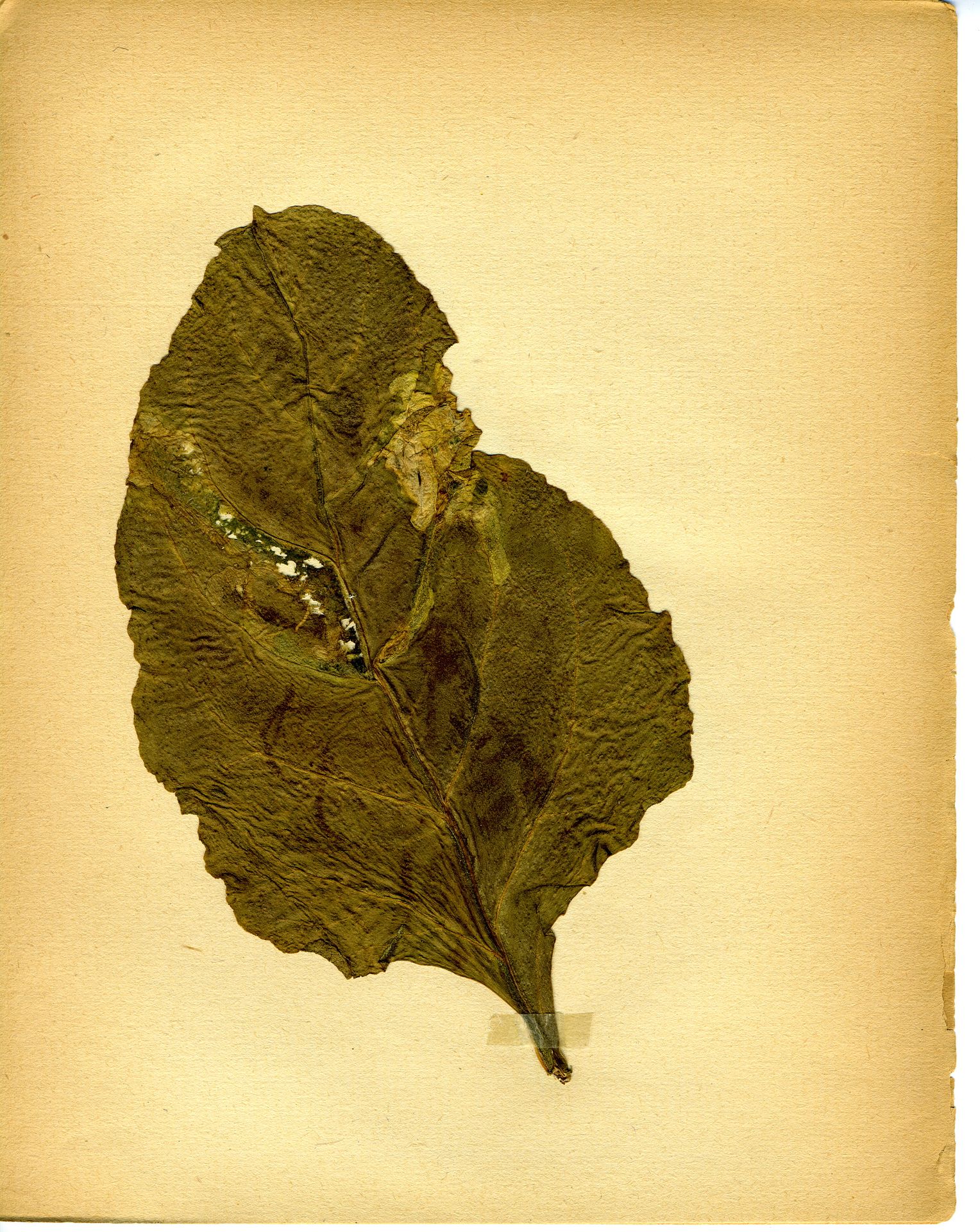
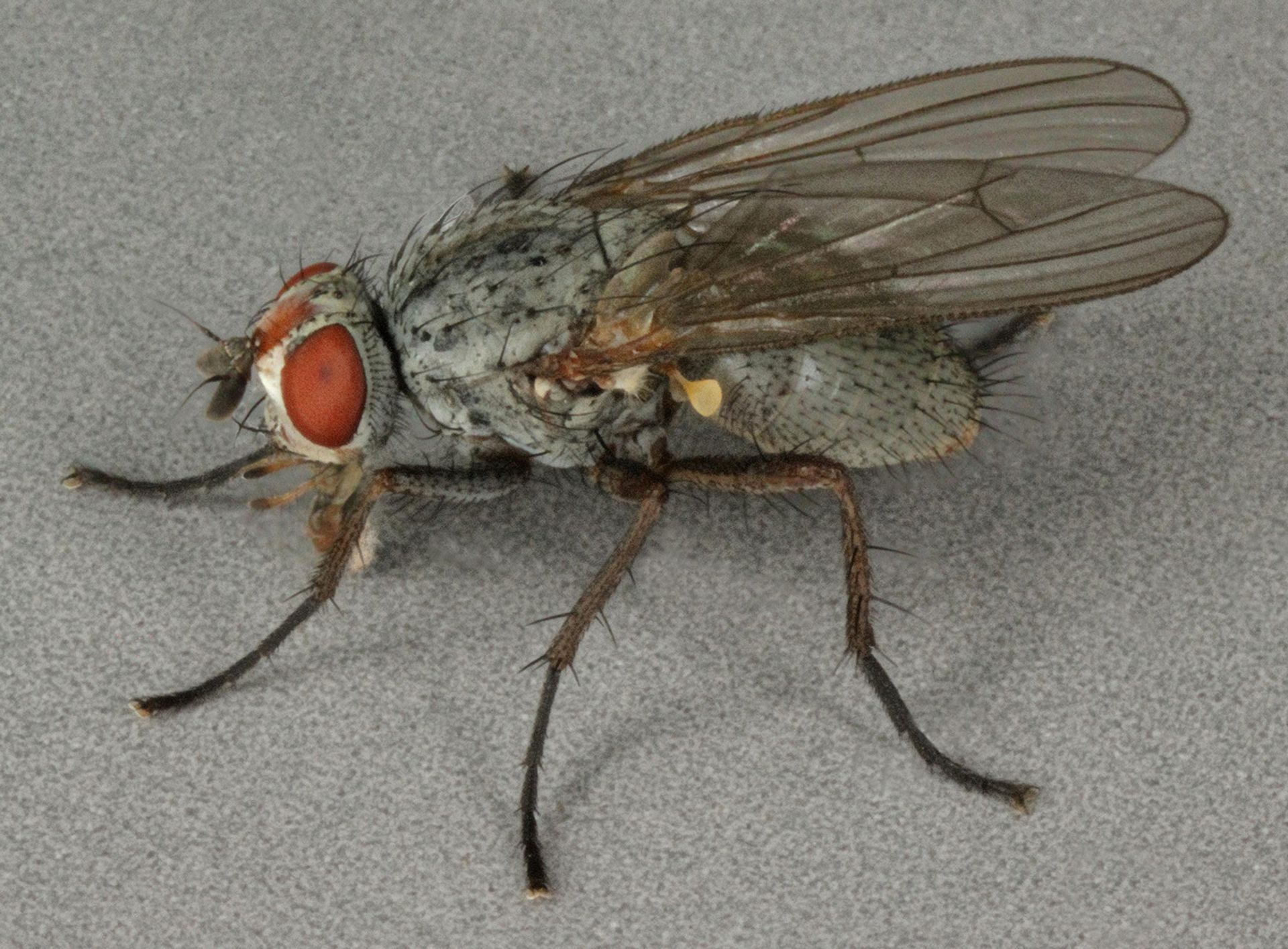
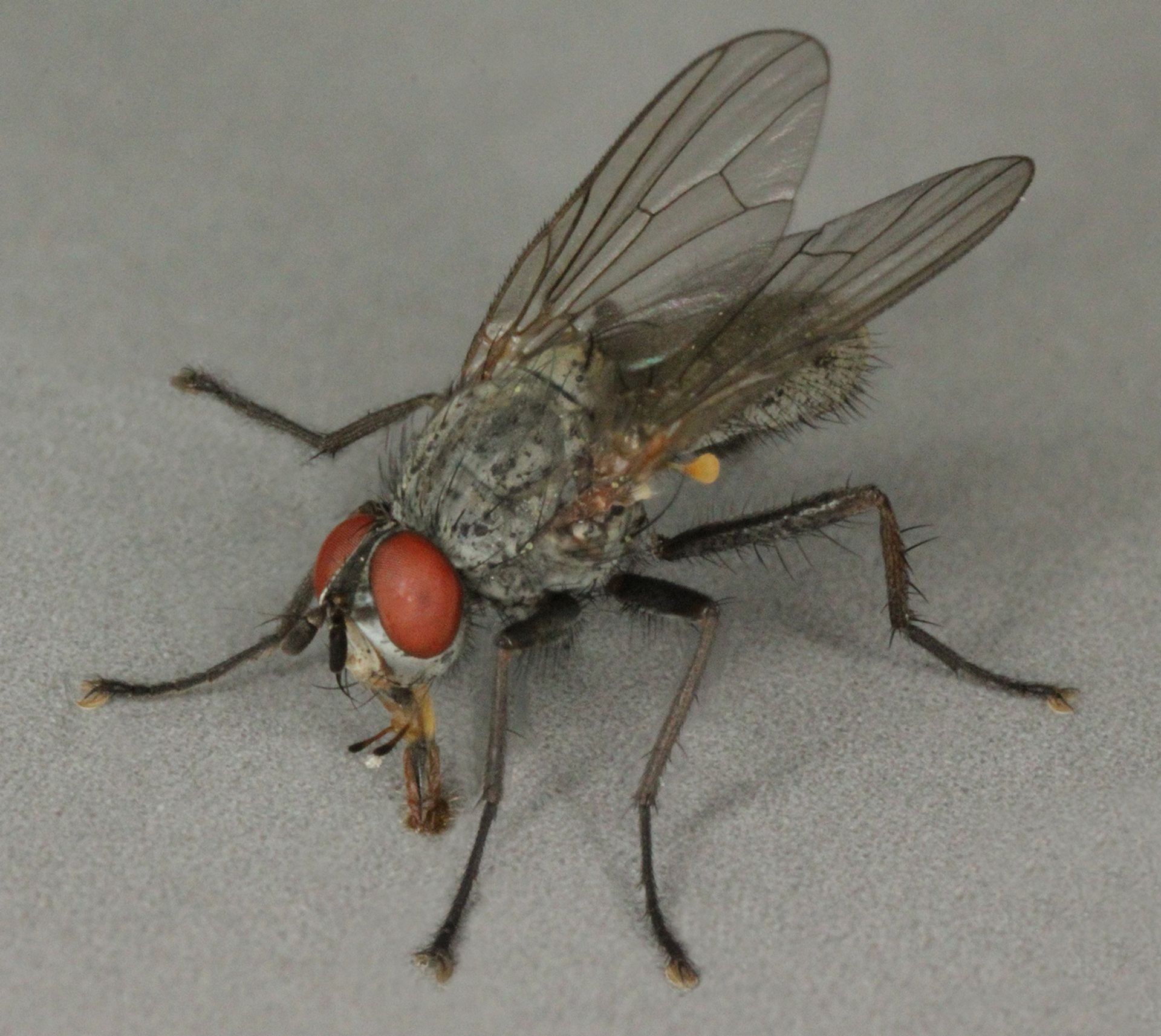
Pegomya betae is a leaf-mining fly in the Anthomyiidae, commonly known as the Beet Leafminer. The is native to the Palearctic region and has been introduced to North America. Larvae feed internally in leaves of beet plants, creating distinctive mines. It is considered a significant agricultural pest of sugar beet and related crops.
Pronunciation
How to pronounce Pegomya betae: /ˈpɛɡoʊˌmaɪə ˈbiːtaɪ/
These audio files are automatically generated. While they are not always 100% accurate, they are a good starting point.
Images
Habitat
Agricultural fields and cultivated areas where plants (Beta vulgaris and related Chenopodiaceae) are grown. The is closely associated with beet crop environments.
Distribution
Native to the Palearctic region. Documented presence in Denmark, Norway, Sweden, and the conterminous United States.
Diet
Larval stage feeds internally on leaves of beet plants (Beta vulgaris), creating leaf mines. have been observed visiting flowering weeds for nutrition.
Host Associations
- Beta vulgaris - primary (larval feeding)sugar beet and related cultivated varieties
- Chenopodiaceae - -level rangebroader plant association
Behavior
Females exhibit specific selection influenced by optical stimuli. Both sexes are attracted to bright colors with high light remission (white, yellow, and green). Females prefer triangular and round leaf shapes and leaves positioned at 0° or 45° angles over vertical leaves for alighting and oviposition. Males show approximately three times higher activity response (72%) to non-sex-specific stimuli compared to females (28%).
Ecological Role
Agricultural pest causing damage to beet crops through larval leaf mining. induces physiological changes in plant leaves, including increased peroxidase and polyphenoloxidase activity. Plants previously exposed to infestation show elevated larval mortality in subsequent infestations, suggesting an induced defense response.
Human Relevance
Economic pest of sugar beet . Leaf mining damage reduces photosynthetic capacity and crop yield. Management may be required in commercial beet production.