
Homoneura unguiculata
(Kertész, 1913)
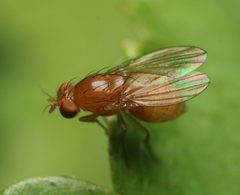
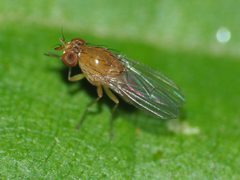
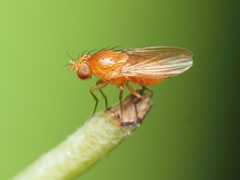
Homoneura unguiculata is a of fly in the Lauxaniidae, first described by Kertész in 1913. The Homoneura is characterized by small to medium-sized flies, often with distinctive coloration. Observations of this species have been recorded in Hawaii and the conterminous United States. Members of Lauxaniidae are commonly known as lauxaniid flies and are frequently associated with decaying organic matter.
Pronunciation
How to pronounce Homoneura unguiculata: /ˌhɒmoʊˈnjʊərə ˌʊŋɡwɪkjʊˈleɪtə/
These audio files are automatically generated. While they are not always 100% accurate, they are a good starting point.
Identification
Homoneura can be distinguished from other lauxaniid by wing venation patterns and body shape. Within the genus, species-level identification typically requires examination of male genitalia and other microscopic features. The specific epithet 'unguiculata' refers to claw-like structures, suggesting distinctive tarsal . Accurate identification to species level generally requires examination and comparison with .
Images
Distribution
Recorded from Hawaii and the conterminous 48 United States. The has been documented through GBIF distribution records and iNaturalist observations.
Similar Taxa
- Other Homoneura speciesCongeneric share similar body plans and wing venation, requiring genitalic examination for reliable separation.
- Other Lauxaniidae generaLauxaniidae as a exhibits considerable morphological diversity, but Homoneura is distinguished by specific wing patterns and body proportions.
More Details
Etymology
The specific epithet 'unguiculata' derives from Latin, meaning 'having small claws' or 'clawed,' likely referring to distinctive tarsal or pretarsal structures.
Sources and further reading
- BugGuide
- Wikipedia
- GBIF taxonomy match
- iNaturalist taxon
- Catalogue of Life
- Adam Steinbrenner: How Plants Detect When Insects Are Eating Them | Bug Squad
- The Big 43: The California Native Plants, Plus One, Studied in UC Davis Research | Bug Squad
- What Native California Plants Are Best for Attracting Pollinators? | Bug Squad
- Bug Eric: Pumpkin Bugs
- Royal Botanic Garden Edinburgh | Blog