
Calliopum
Strand, 1928
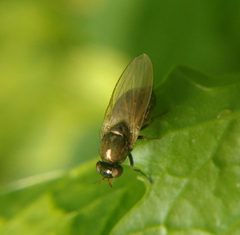
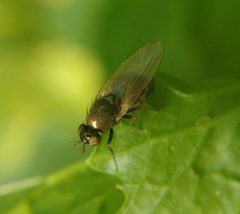
Calliopum is a of small lauxaniid flies established by Strand in 1928. The genus comprises approximately 27 described distributed across the Palearctic region. are typically found in meadows and hedgerows, while larvae exhibit varied feeding habits including and saprophagy.
Pronunciation
How to pronounce Calliopum: /kæliˈoʊpəm/
These audio files are automatically generated. While they are not always 100% accurate, they are a good starting point.
Identification
Distinguished from other Lauxaniidae by combination of small body size (<5 mm), iridescent , and predominantly black or metallic coloration. Separation from similar small lauxaniid genera requires examination of genitalic characters and specific setal patterns not visible in field observations.
Images
Habitat
Meadows and hedgerows; specific microhabitat preferences vary among .
Distribution
Present across most of Europe, eastern , Near East, and North Africa. Distribution records confirmed from Denmark, Norway, and Sweden.
Seasonality
active from May through December in temperate regions.
Diet
Larvae may be phytophagous or saprophagous, feeding on rotting vegetable matter or mining clover leaves. feeding habits not documented.
Life Cycle
Complete with , larva, pupa, and stages. Larval development occurs in decaying plant material or within living plant tissues.
Ecological Role
Larvae contribute to decomposition of vegetable matter; some may act as minor leaf miners on clover.
Human Relevance
No documented economic or medical importance. Occasionally encountered in agricultural settings due to clover-mining larvae.
Similar Taxa
- Other Lauxaniidae generaSimilar small size and metallic coloration; genitalic dissection required for definitive identification
- ChloropidaeSmall size and coloration may cause confusion; Lauxaniidae distinguished by wing venation and antennal structure
More Details
Taxonomic History
Originally described by Strand in 1928. The includes previously placed in other genera, with several species described by Shatalkin in 1996 and 2000 expanding the known diversity.
Larval Biology
Feeding habits appear variable within the , with some larvae mining clover leaves (suggesting potential agricultural relevance) while others feed on decaying plant material.