
Icosta
Speiser, 1905
Species Guides
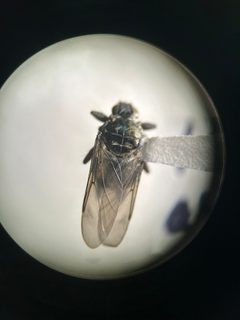
2Icosta is a of louse flies (Hippoboscidae) comprising 52 described , making it the largest genus in the . All species are obligate of birds, feeding on blood. The genus has a distribution excluding Antarctica and is divided into six subgenera based on morphological characteristics. Members are pupiparous, with larvae developing internally and depositing fully formed pupae.
Pronunciation
How to pronounce Icosta: /iːˈkɒstə/
These audio files are automatically generated. While they are not always 100% accurate, they are a good starting point.
Identification
Members of Icosta can be distinguished from other Hippoboscidae by the combination of: laterite 3 (variable among subgenera), wing length typically 4.8–5.0 mm in subgenus Icosta, wing microtrichia arrangement, and body coloration patterns. The genus is subdivided into six subgenera (Ardmoeca, Gypoeca, Icosta, Ornithoponus, Rhyponotum) based on structural characters. Specific identification requires examination of laterite morphology, wing venation details, and association records. I. omnisetosa was recently elevated from to rank based on morphological and biological differences from I. holoptera holoptera.
Images
Habitat
are determined by bird distribution. In tropical regions, have been collected in grasslands within primary evergreen forest, primary and secondary mixed and deciduous forest, bamboo forest, agricultural land, and seasonally flooded grassland mosaics. In temperate and arctic regions, species associate with migratory shorebirds and wetland birds.
Distribution
Worldwide distribution excluding Antarctica. Subgenus Icosta occurs in subtropical and tropical regions of Asia, Oceania, and Africa. Specific records include: Southern Vietnam (Cat Tien National Park), Chukotka Autonomous Region (Russia), with broader presence indicated by bird ranges.
Diet
Obligate blood-feeding of birds.
Host Associations
- Centropus bengalensis - lesser coucal; type for Icosta korzuni
- Gallinago stenura - migrant pintail snipe; for Icosta omnisetosa
Life Cycle
Pupiparous: larvae develop inside the female, and fully formed pupae are deposited immediately after larval development completes. This reproductive mode eliminates free-living larval stages.
Behavior
Ectoparasitic on birds; specimens have been collected using chambers with ethyl acetate from mist-netted birds. Can transport phoretic mites and feather lice between individuals.
Ecological Role
of birds with potential roles as for blood including Haemoproteus sp. and Trypanosoma sp. Serves as a transport for phoretic mites and feather lice.
Similar Taxa
- Other Hippoboscidae generaIcosta is distinguished by laterite 3 , wing microtrichia patterns, and specific body coloration; other typically parasitize mammals or have different structural features.
More Details
Taxonomic complexity
The contains six subgenera with substantial morphological diversity. Recent taxonomic revisions have elevated former to rank based on combined morphological and biological evidence.
Disease vector potential
Documented associations with avian blood (Haemoproteus, Trypanosoma) suggest potential epidemiological significance in bird .
Sources and further reading
- BugGuide
- Wikipedia
- GBIF taxonomy match
- iNaturalist taxon
- NCBI Taxonomy
- Catalogue of Life
- TAXONOMIC STATUS OF ICOSTA OMNISETOSA MAA, 1969, STAT. N. (DIPTERA: HIPPOBOSCIDAE) IS UPGRADED TO SPECIES RANK
- Description of a new species of Icosta Speiser , 1905 (Diptera: Hippoboscidae) from Southern Vietnam with the updated key to the subgenus Icosta.