
Lemnaphila scotlandae
Cresson, 1933
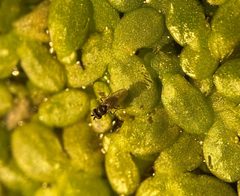
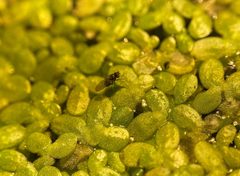
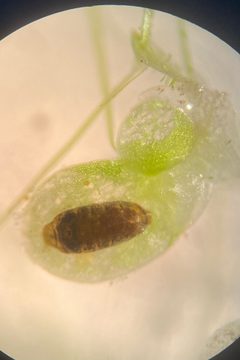
Lemnaphila scotlandae is a of shore fly in the Ephydridae, described by Cresson in 1933. The species is notable for its specialized larval : larvae are leaf-miners of duckweed (Lemna spp.). It has been recorded in Canada and the United States.
Pronunciation
How to pronounce Lemnaphila scotlandae: //ˌlɛm.nəˈfaɪ.lə ˌskɒtˈlæn.deɪ//
These audio files are automatically generated. While they are not always 100% accurate, they are a good starting point.
Identification
Small shore fly in Ephydridae. Specific diagnostic features distinguishing this from are not documented in available sources. likely resemble other small ephydrids with reduced wing venation and characteristic facial structure typical of the family.
Images
Habitat
Associated with freshwater supporting duckweed, the larval plant. Specific microhabitat preferences for are not documented.
Distribution
Canada and United States.
Diet
Larvae feed as leaf-miners within duckweed (Lemna spp.) leaves. feeding habits are not documented.
Host Associations
- Lemna - larval duckweed
Ecological Role
Larval leaf-mining activity may influence duckweed in freshwater . Specific ecological impacts have not been quantified.
Similar Taxa
- Other Lemnaphila speciesSame ; morphological separation requires examination of fine structural characters not summarized in general sources.
- Other EphydridaeSmall shore flies share general body plan; identification to / level requires specialized taxonomic knowledge.
More Details
Taxonomic history
Described by Cresson in 1933. The specific epithet 'scotlandae' is of unclear etymology but does not indicate Scottish distribution—the is Nearctic, not Palearctic.
Observation scarcity
Only two observations recorded on iNaturalist as of source date, suggesting the is either genuinely rare, underreported, or difficult to detect due to its small size and specialized .