
Cirrula
Cresson, 1915
Species Guides
3- Cirrula austrina
- Cirrula gigantea
- Cirrula hians(Alkali Fly)
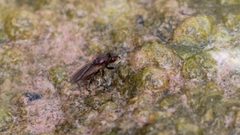
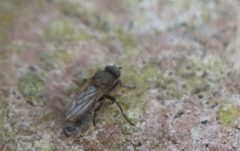
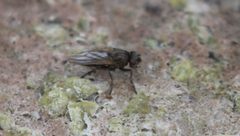
Cirrula is a of shore flies ( Ephydridae) to North America, established by Cresson in 1915. The genus contains two described : C. austrina and C. gigantea. As members of Ephydridae, these are small to medium-sized flies associated with aquatic or semi-aquatic .
Pronunciation
How to pronounce Cirrula: //ˈsɪr.juː.lə//
These audio files are automatically generated. While they are not always 100% accurate, they are a good starting point.
Identification
Cirrula can be distinguished from other Ephydridae by a combination of morphological features established in Cresson's original description, though specific diagnostic characters require examination of . The genus name refers to cirri (hair-like structures), likely indicating distinctive chaetotaxy. C. gigantea is notably larger than C. austrina based on its specific epithet.
Images
Habitat
Shore flies in Ephydridae typically inhabit margins of water bodies including lakes, ponds, streams, and saline or alkaline wetlands. Specific microhabitat preferences for Cirrula have not been documented in detail.
Distribution
to North America. C. austrina and C. gigantea occur in regions of the United States, with precise ranges undefined in available sources.
Ecological Role
As shore flies, Cirrula likely contribute to nutrient cycling in aquatic edge and may serve as prey for aquatic and terrestrial .
Similar Taxa
- Other Ephydridae generaCirrula is distinguished by its unique combination of morphological features, particularly chaetotaxy patterns, though precise differentiation requires examination.
More Details
Species diversity
Only two are currently described in this : C. austrina (Coquillett, 1900) and C. gigantea Cresson, 1915. The limited species count suggests either genuine rarity or undercollection.