Drosophila tripunctata
Loew, 1862
Drosophila tripunctata is a mycophagous vinegar fly in the Immigrans-tripunctata radiation of subgenus Drosophila. It exhibits to α-amanitin, a cyclopeptide mushroom toxin found in Amanita mushrooms that inhibits II, allowing it to utilize toxic mushrooms as larval . Genetic variation in toxin tolerance exists among , and this appears intrinsic to the fly's rather than mediated by gut . The shows genetic variation in host preference within and among populations, and display acclimation and adaptive behavioral responses to combined temperature and desiccation stress.
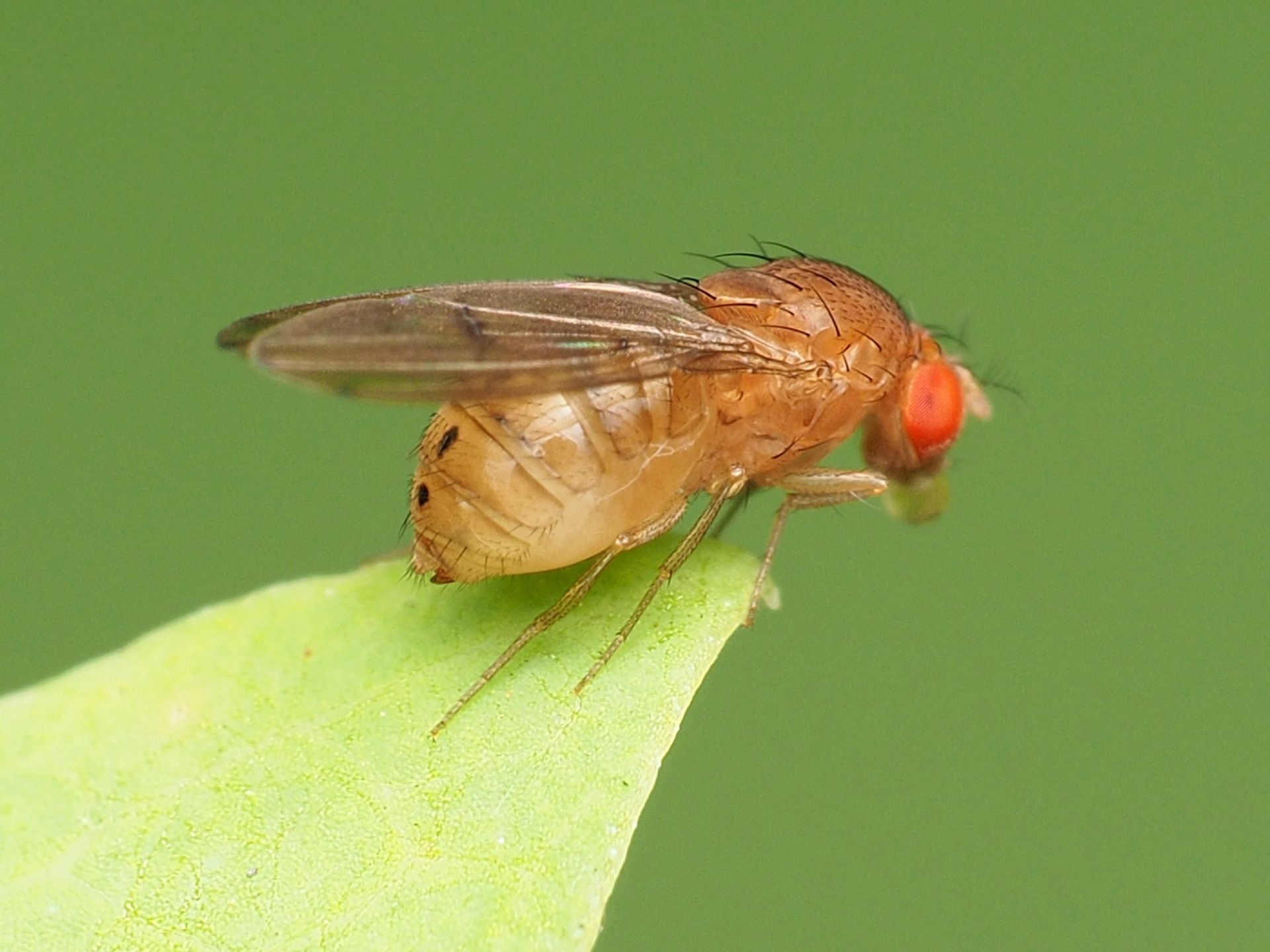
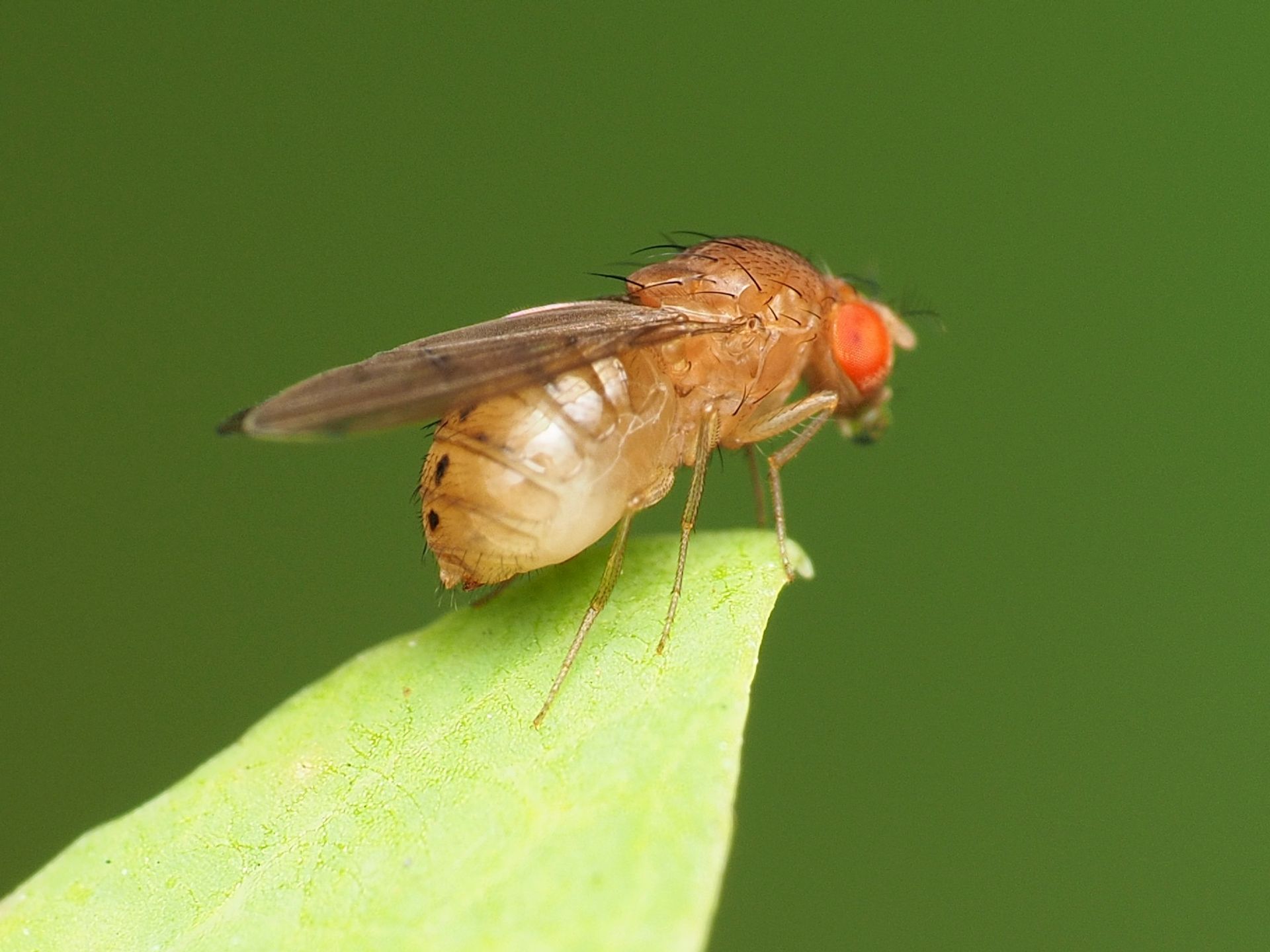
Pronunciation
How to pronounce Drosophila tripunctata: //drəˈsɒfɪlə traɪˈpʌŋkteɪtə//
These audio files are automatically generated. While they are not always 100% accurate, they are a good starting point.
Images
Habitat
Mushroom ; forest environments. A wild-derived has been documented from mushroom and banana traps on the University of Alabama campus, Tuscaloosa, AL, USA.
Distribution
Widely distributed throughout tropical regions; documented from a local in Tuscaloosa, Alabama, USA. The tripunctata group as a whole is predominantly found in preserved forest environments.
Diet
Mycophagous; feeds on mushrooms (Basidiomycota). Documented to utilize toxic Amanita mushrooms as larval at natural concentrations lethal to most other . Laboratory maintained on Agaricus bisporus (white mushroom).
Host Associations
- Amanita - larval Toxic mushrooms used as larval ; fly tolerates α-amanitin toxins
- Agaricus bisporus - laboratory food sourceWhite mushroom used in laboratory rearing
- Basidiomycota - food sourceGeneral mushroom
Life Cycle
Can complete entire on Basidiomycota mushrooms. Larvae develop on mushroom-based diets; survival and development time to have been measured in laboratory studies.
Behavior
exhibit acclimation and adaptive behavioral responses to combined temperature and desiccation stress. Shows genetic variation in preference within and among . to α-amanitin at natural concentrations allows exploitation of toxic mushrooms as larval hosts.
Ecological Role
Mycophagous insect that exploits toxic Amanita mushrooms as larval , potentially facilitating nutrient cycling in mushroom .
Similar Taxa
- Drosophila mediopunctataClosely related in the tripunctata group; phylogenetically closer to D. unipunctata than to D. roehrae
- Drosophila unipunctataClosely related in the tripunctata group; phylogenetically closer to D. mediopunctata than to D. roehrae; shows rare karyotypic changes including two fusions and a pericentric in the X chromosome, suggesting fast chromosomal evolution
- Drosophila roehraeClosely related in the tripunctata group; more distantly related to D. mediopunctata and D. unipunctata
Sources and further reading
- BugGuide
- Wikipedia
- GBIF taxonomy match
- iNaturalist taxon
- NCBI Taxonomy
- Catalogue of Life
- Christine Tabuloc's Seminar: Inside Her Intricate Research World of Drosophila | Bug Squad
- African Fig Fly Meets Spotted-Wing Drosophila in the U.S.
- Genetic Variation for Host Preference Within and Among Populations of Drosophila tripunctata
- Effect of gut microbiota on α‐amanitin tolerance in Drosophila tripunctata
- Acclimation and Adaptive Behavior of Drosophila robusta and D. tripunctata Adults in Response to Combined Temperature and Desiccation Stress
- GENETIC VARIATION FOR HOST PREFERENCE WITHIN AND AMONG POPULATIONS OFDROSOPHILA TRIPUNCTATA
- A new species of the Drosophila tripunctata group (Diptera: Drosophilidae) associated with fallen flowers of six Lecythidaceae species in the Amazon Rainforest
- Differential occurrence of chromosome inversion polymorphisms among Muller's elements in three species of thetripunctatagroup ofDrosophila, including a species with fast chromosomal evolution