
Culiseta incidens
(Thomson, 1869)
Cool Weather Mosquito, Cold Weather Mosquito
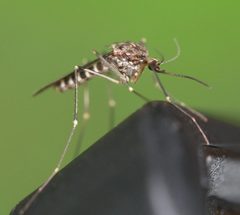
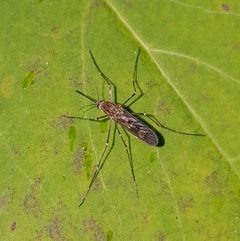
Culiseta incidens, commonly known as the cool weather mosquito, is a of mosquito in the Culicidae. It is notable for its activity during cooler periods, distinguishing it from many warm-weather mosquito species. The species has been documented as a for the microsporidian Amblyospora campbelli, which exhibits a complex two-host involving an obligatory intermediate copepod host. Research has demonstrated that larvae and pupae of this species exhibit in spontaneous locomotor activity, with peak activity occurring during the light phase.
Pronunciation
How to pronounce Culiseta incidens: //ˌkjuːlɪˈsiːtə ɪnˈsaɪdɛnz//
These audio files are automatically generated. While they are not always 100% accurate, they are a good starting point.
Identification
Distinguished from other Culiseta and similar mosquitoes by its association with cool weather activity patterns. Specific morphological diagnostic features for field identification are not documented in available sources.
Images
Distribution
Western coast of North America from the Alaskan panhandle to the Mexican border; eastern range extends from Saskatchewan to northwestern Texas. Specimens have been collected in Southern California.
Seasonality
Active during cooler weather periods, as indicated by "Cool Weather Mosquito" or "Cold Weather Mosquito"; specific seasonal timing not documented beyond this general pattern.
Host Associations
Life Cycle
Complete with aquatic , larva, and pupa stages typical of Culicidae. Larvae and pupae exhibit in spontaneous locomotor activity. Specific details of egg-laying , larval development duration, and timing not documented for this .
Behavior
Larvae and pupae display in spontaneous locomotor activity with peak activity in the light phase under 12:12 conditions; rhythm persists in constant darkness with free-running periods of 23.5–24 hours. Amplitude of pupal rhythm increases progressively as advances.
Sources and further reading
- BugGuide
- Wikipedia
- GBIF taxonomy match
- iNaturalist taxon
- NCBI Taxonomy
- Bug Eric: Mosquitoes
- Bug Eric: May 2013
- Culiseta melanura mosquito bird hosts - Entomology Today
- How Florida Mosquito Control Could Trim Disease in Northern States
- Mosquito Populations Linked Across Further Distances Than the Viruses They Carry
- Study Finds Bigger Mosquitoes in Baltimore Neighborhoods with More Abandoned Buildings
- Development of Amblyospora campbelli (Microsporida: Amblyosporidae) in the Mosquito Culiseta incidens (Thomson)
- A circadian rhythm in spontaneous locomotor activity in the larvae and pupae of the mosquito, Culiseta incidens