
Telmatogetoninae
Intertidal Midges
Genus Guides
2- Telmatogeton(Seaweed Midges)
- Thalassomya
Telmatogetoninae is a of non-biting midges (Chironomidae) primarily adapted to intertidal marine and brackish water environments. The subfamily contains two : Telmatogeton and Thalassomya. Larvae exhibit specialized physiological adaptations for and desiccation resistance, enabling survival in harsh, variable saline conditions of coastal . Most inhabit rocky shores, sandy beaches, and estuarine zones, though some members occupy freshwater torrent habitats.
Pronunciation
How to pronounce Telmatogetoninae: /tɛlˌmætoʊˈdʒɛtoʊ.naɪ/
These audio files are automatically generated. While they are not always 100% accurate, they are a good starting point.
Identification
Distinguished from other Chironomidae by association with intertidal marine and brackish environments. Larvae possess physiological adaptations for saline conditions not found in most freshwater chironomids. Within the subfamily, Telmatogeton and Thalassomya are separated by morphological characters not detailed in available sources.
Images
Appearance
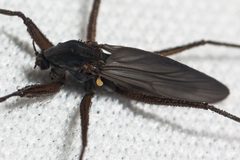
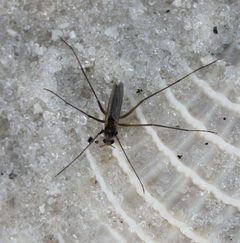
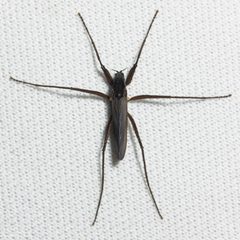
are small to medium-sized typical of Chironomidae, with reduced mouthparts (non-biting). Larvae of Telmatogeton torrenticola reach over 20 mm in final instar, notably large for the . General features include elongated bodies, segmented , and or reduced wings in males.
Habitat
Primarily intertidal marine and brackish water environments including rocky shores, sandy beaches, and estuarine . Telmatogeton torrenticola occupies an exceptional freshwater : high-gradient Hawaiian streams with torrential flow over smooth rock surfaces, shallow depths (1.5–50 cm), and high bottom water velocities (13.4–64.2 cm/s), including waterfall splash zones.
Distribution
Coastal marine and estuarine regions globally, with distribution tied to intertidal zones. Telmatogeton torrenticola is to Hawaii, documented from Kinihapai Stream, Maui.
Diet
Larvae feed on periphyton and organic detritus in intertidal substrates. Telmatogeton torrenticola larvae specifically consume periphyton as their primary food resource.
Life Cycle
Complete with , larval, pupal, and stages. Larvae represent the and environmentally life stage in intertidal . Adults emerge to mate; eggs are deposited in intertidal substrates.
Behavior
Larvae attach to substrates in high-velocity, shallow water environments. is regulated by hydraulic factors including Froude number and bottom velocity ratio. Larvae possess physiological adaptations for and desiccation resistance enabling survival in variable saline intertidal conditions.
Ecological Role
Primary consumers and in intertidal , contributing to nutrient cycling in coastal marine . Telmatogeton torrenticola serves as flow-sensitive stream fauna with potential as an indicator of streamflow conditions; water diversions could significantly reduce available .
Similar Taxa
- Other Chironomidae subfamiliesTelmatogetoninae distinguished by marine/brackish intertidal specialization and associated physiological adaptations; most other chironomids are freshwater inhabitants
More Details
Habitat Diversity Within Subfamily
While the is predominantly marine intertidal, Telmatogeton torrenticola represents a notable shift to freshwater torrent environments, demonstrating ecological plasticity within Telmatogetoninae.
Conservation Concern
Telmatogeton torrenticola is vulnerable to water diversions that reduce streamflow, which could eliminate suitable characterized by specific hydraulic conditions.