
Xylotopus
Oliver, 1982
Species Guides
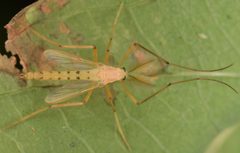
1Xylotopus is a of non-biting midges in the Chironomidae, Orthocladiinae. The genus contains at least two described : Xylotopus par (Coquillett, 1901) and Xylotopus burmanensis Oliver, 1985. Larvae of Xylotopus par are aquatic xylophages that colonize submerged wood substrates in freshwater systems. The genus is notable for its specialized association with decaying wood and the presence of bacterial in the larval .
Pronunciation
How to pronounce Xylotopus: //zaɪˈlɒtəpəs//
These audio files are automatically generated. While they are not always 100% accurate, they are a good starting point.
Images
Habitat
Aquatic environments; larvae inhabit submerged wood substrates in freshwater streams. Larval development occurs within decaying logs and wood blocks, with substrate softness positively influencing success. logs support slower larval development compared to freshly introduced wood substrates.
Diet
Wood; larvae are , feeding on submerged decaying wood. The requirement for terrestrial decay as a prerequisite for wood suitability indicates dependence on pre-processed lignocellulosic material rather than fresh wood.
Life Cycle
Larval development in logs normally requires a full year. Developmental rate is plastic and accelerates in fresh, introduced wood substrates, allowing some individuals to complete development during a single summer growth period. This phenotypic plasticity enables exploitation of wood of variable quality and decay states.
Ecological Role
Primary consumer and wood decomposer in aquatic . The ectoperitrophic bacterial in the larval suggest a mutualistic association that likely aids in digestion of lignocellulosic material.
Sources and further reading
- BugGuide
- Wikipedia
- GBIF taxonomy match
- iNaturalist taxon
- NCBI Taxonomy
- Catalogue of Life
- Bacteria Associated with the Ectoperitrophic Space in the Midgut of the Larva of the Midge Xylotopus par (Diptera: Chironomidae)
- Colonization of wood substrates by the aquatic xylophage Xylotopus par (Diptera: Chironomidae) and a description of its life history