
Bryophaenocladius
Thienemann, 1934
Species Guides
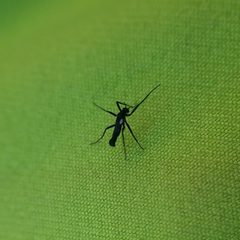
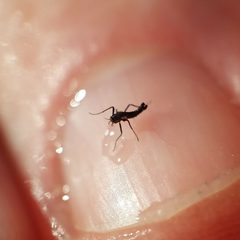
1- Bryophaenocladius chrissichuckorum(Spooner's Flightless Midge)
Bryophaenocladius is a of non-biting midges in the Chironomidae, Orthocladiinae. The genus was established by Thienemann in 1934 and includes distributed across Europe and Asia. Species have been described from Norway, Denmark, Sweden, India, and China. Recent taxonomic work has emended generic based on newly discovered morphological characters in multiple life stages.
Pronunciation
How to pronounce Bryophaenocladius: //ˌbraɪ.oʊˌfiːnoʊˈkleɪ.di.əs//
These audio files are automatically generated. While they are not always 100% accurate, they are a good starting point.
Identification
males can be distinguished from related by features of the male genitalia, specifically the structure of the inferior volsella and gonostylus. The pupa of at least one possesses a thoracic horn and setae on the cephalic and tergite IX, characters not previously recorded for the genus. A taxonomic key to Oriental species is available for adult male identification.
Images
Habitat
occupy diverse including montane regions of the Eastern Himalayas and urban metropolitan areas. The montane species B. pollexus has been noted for specific habitat preferences, though details require primary source consultation.
Distribution
Documented from Europe (Norway, Denmark, Sweden) and Asia (India: West Bengal including Darjeeling and Kolkata; China). GBIF records confirm presence in DK, NO, SE.
Life Cycle
Holometabolous development with , larva, pupa, and stages. All life stages have been described for at least one (B. faegrii), including both sexes.
Behavior
swarming has been observed in montane . Larval has been noted for some species but specifics are not detailed in available sources.
More Details
Species Diversity
At least nine described : B. chrissichuckorum, B. humerosus, B. kolkataensis, B. mucronatus, B. paricterius, B. pollexus, B. pichinensis, B. simplex, and B. faegrii.
Taxonomic Activity
Recent descriptions from India (2023) and Norway indicate ongoing revision of this . has been applied to at least B. kolkataensis.
Sources and further reading
- BugGuide
- Wikipedia
- GBIF taxonomy match
- iNaturalist taxon
- NCBI Taxonomy
- Catalogue of Life
- A new species of Bryophaenocladius Thienemann (Diptera: Chironomidae) from Norway, with emendations to the diagnoses of the genus
- Two new species of <i>Bryophaenocladius</i> Thienemann (Diptera: Chironomidae: Orthocladiinae) from Darjeeling and Kolkata, West Bengal, India with a note on biology of montane species