
Diamesa nivoriunda
(Fitch, 1847)
winter midge, snow midge
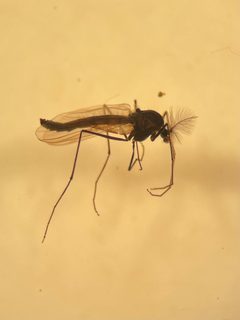
Diamesa nivoriunda is a of non-biting midge in the Chironomidae. are active during winter months and have been observed on snow during warm spells. Like other members of the Diamesa, this species does not feed as an adult. The larvae develop in cold, running water where they feed on organic debris. The species belongs to a group commonly referred to as "winter midges" or "snow midges" due to their cold-season activity pattern.
Pronunciation
How to pronounce Diamesa nivoriunda: /diːˈæmɛsa nɪvəˈrɪʊndə/
These audio files are automatically generated. While they are not always 100% accurate, they are a good starting point.
Identification
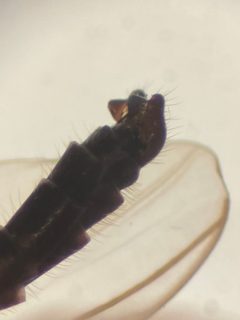
are small, mosquito-like flies with a slender body form typical of the Chironomidae. They lack the piercing mouthparts of mosquitoes and do not bite. Members of the Diamesa can be distinguished from other by their winter-active and association with cold-water . Specific morphological characters distinguishing D. nivoriunda from other Diamesa require examination.
Images
Habitat
Cold, running water environments for larval development. are found in terrestrial near these water sources, including snow-covered ground during winter warm spells.
Seasonality
are active primarily during winter months. They have been observed on snow during warm winter spells, with activity ceasing when temperatures become reliably cold.
Diet
Larvae feed on organic debris in cold, running water. do not feed, presumably due to lack of suitable food sources during their winter activity period.
Behavior
are active during cold conditions when most other insects are . They have been observed on snow surfaces. Adults do not feed.
Ecological Role
Larvae contribute to nutrient cycling in cold-water stream through processing of organic debris. may serve as a winter food source for able to remain active in cold conditions.
Similar Taxa
- Diamesa sp. (other winter midges)Other in the Diamesa share the winter-active and cold-water larval . Specific identification to species level requires detailed morphological examination.
- Chironomidae (other midges)Other non-biting midges in the Chironomidae may resemble D. nivoriunda in general appearance, but most are active during warmer months and occupy different seasonal .
- Culicidae (mosquitoes)Superficially similar in body form to mosquitoes, but distinguished by the absence of piercing mouthparts and the winter activity period.