
Phaenopsectra
Kieffer, 1921
Species Guides
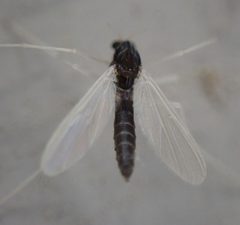
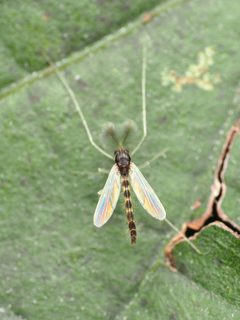
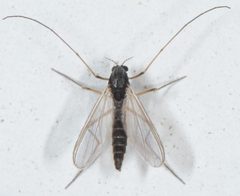
4Phaenopsectra is a of non-biting midges in the Chironomidae, Chironominae. Larvae of at least one , P. kizakiensis, exhibit swimming to escape anaerobic conditions in freshwater lakes. The genus has been recorded across Europe and Asia, with distribution records from Denmark, Norway, Sweden, Slovakia, and Japan.
Pronunciation
How to pronounce Phaenopsectra: //ˌfiːnoʊˈspɛktrə//
These audio files are automatically generated. While they are not always 100% accurate, they are a good starting point.
Images
Habitat
Freshwater lentic environments including lakes and ponds. P. kizakiensis larvae inhabit the benthic zone, with sediment-dwelling and vertical into the water column under low-oxygen conditions. P. flavipes has been recorded from ponds.
Distribution
Europe: Denmark, Norway, Sweden, Slovakia. Asia: Japan (Lake Kizaki).
Seasonality
Late 4th instar larvae of P. kizakiensis present from late July to mid-December, with peak swimming activity from mid-October to early November coinciding with declining bottom-water oxygen.
Life Cycle
Late 4th instar larvae display migratory swimming . Specific details on , pupal, or stages not documented in available sources.
Behavior
Larvae of P. kizakiensis swim upward in the water column to escape anaerobic conditions when bottom-water dissolved oxygen falls below 1 mg·l⁻¹. This vertical has been documented through sediment trap captures at multiple depths.
More Details
Research limitations
Most ecological and behavioral information for this derives from a single study on P. kizakiensis in Lake Kizaki, Japan. No comprehensive genus-wide studies have been identified. The swimming described may be -specific rather than characteristic of the entire genus.